
Explore All Subjects
Choose the subject you want to learn, practice or revisit. Build your knowledge step by step across the complete PhysioVeda Academics subject library.
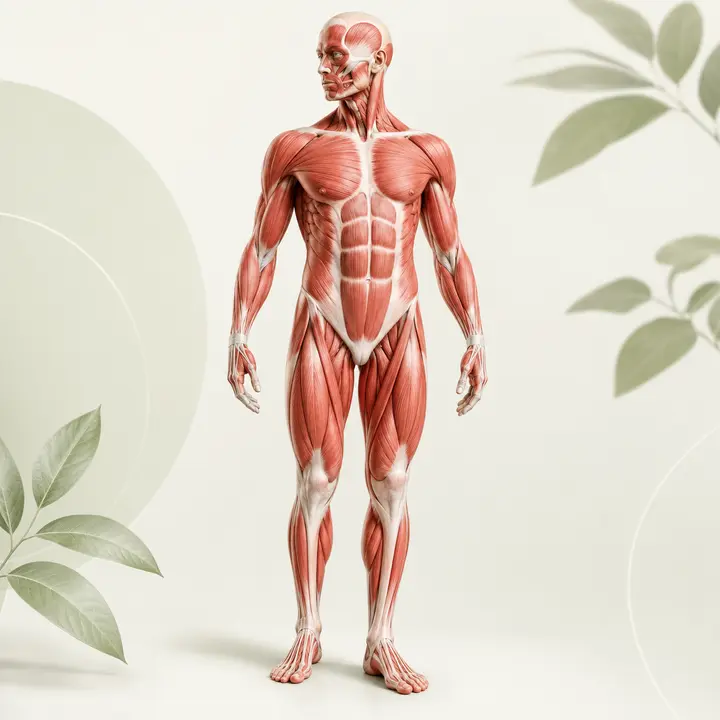 01
Anatomy
Understand the structure of the human body.
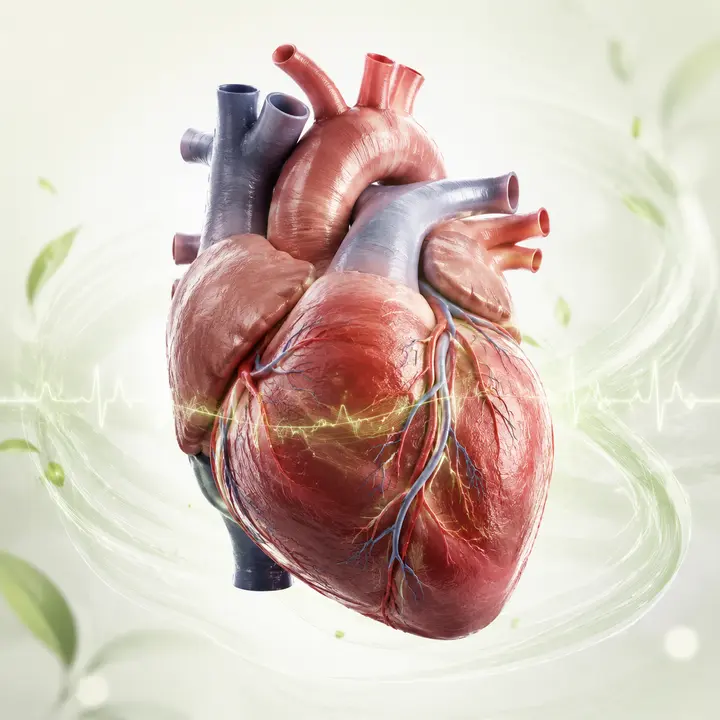 02
Physiology
Learn how the body and its systems function.
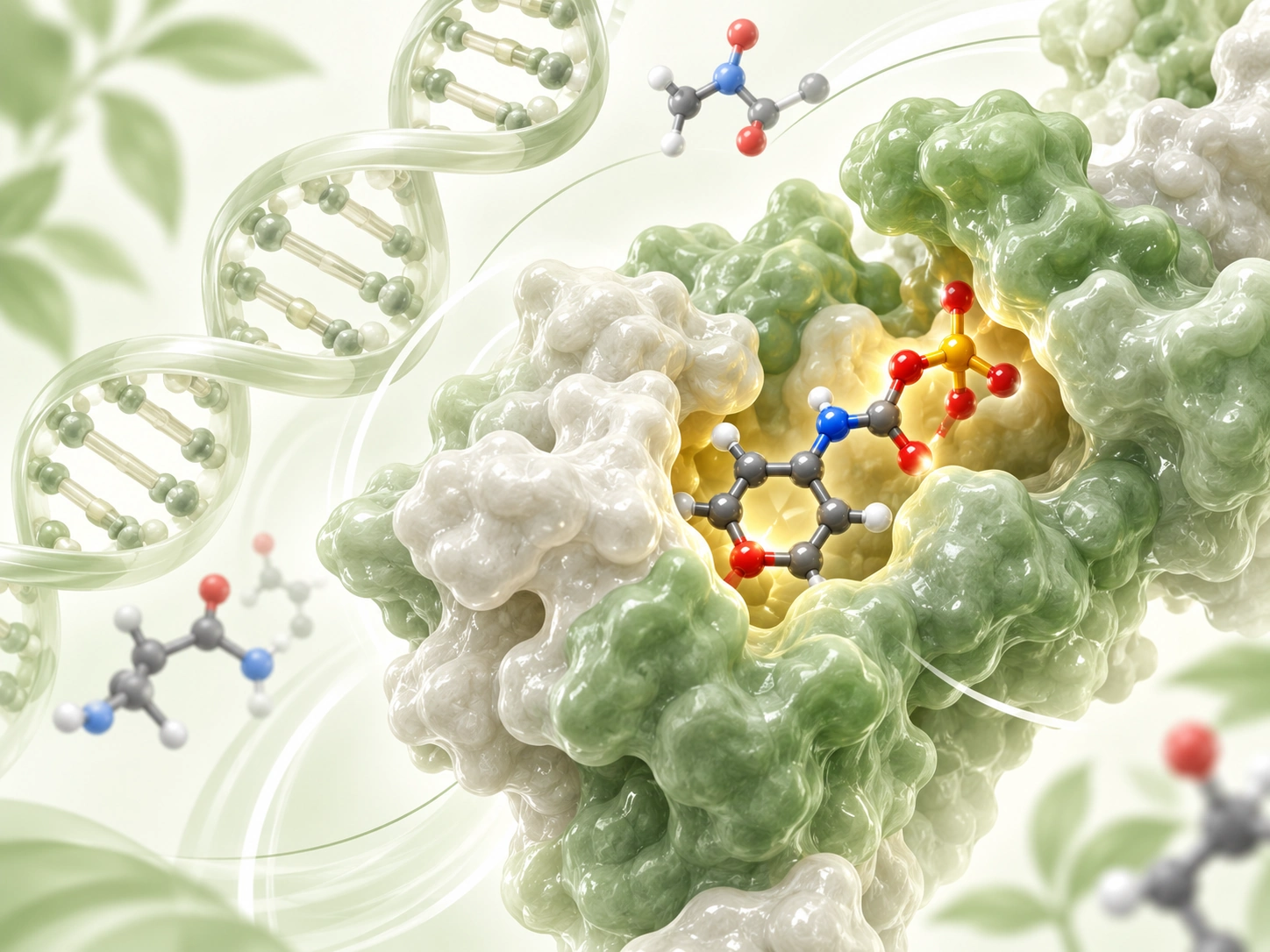 03
Biochemistry
Understand the chemical processes of life.
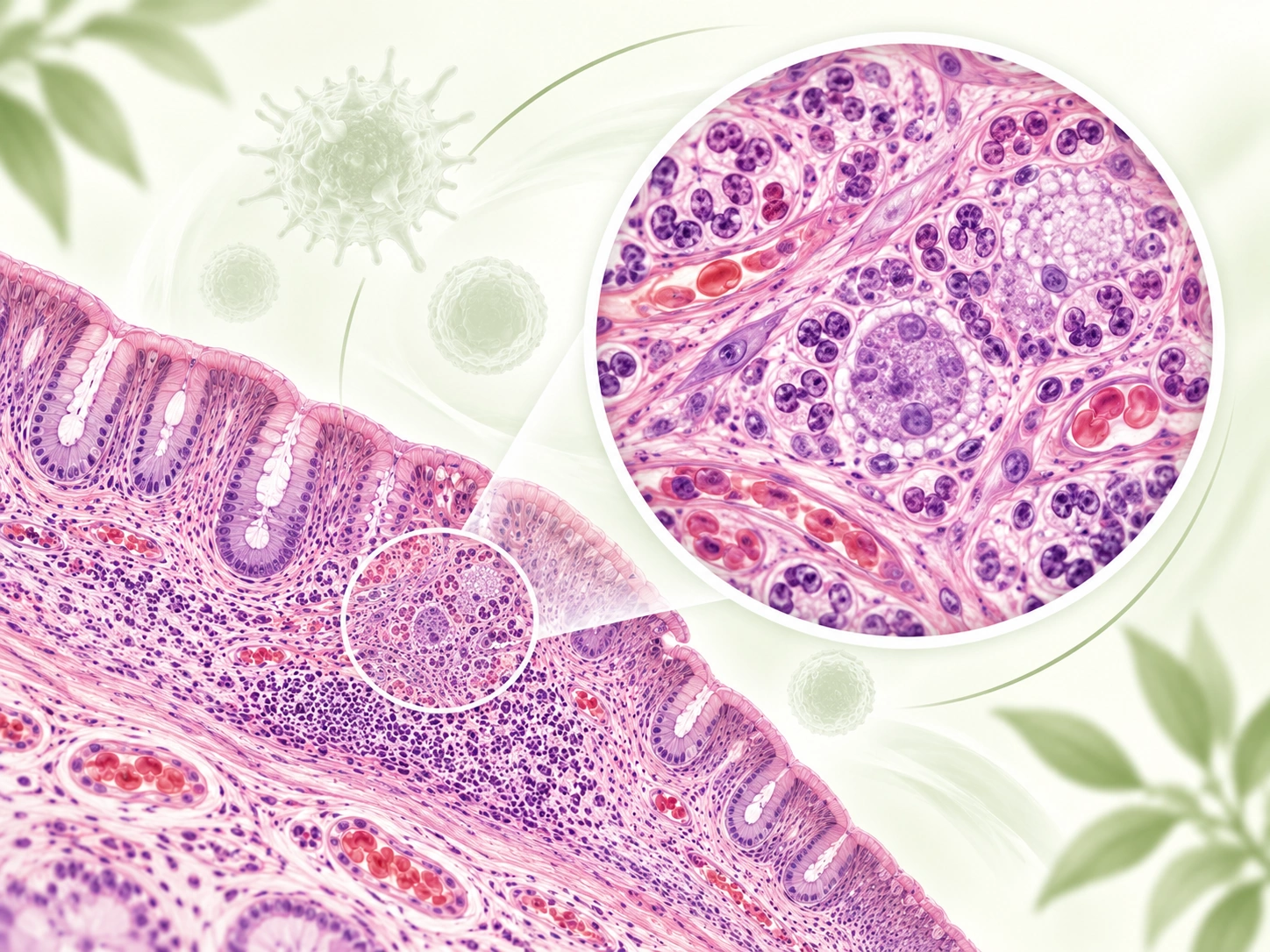 04
Pathology
Study the causes and effects of disease.
 05
Pharmacology
Learn drug actions, uses and safe practice.
 06
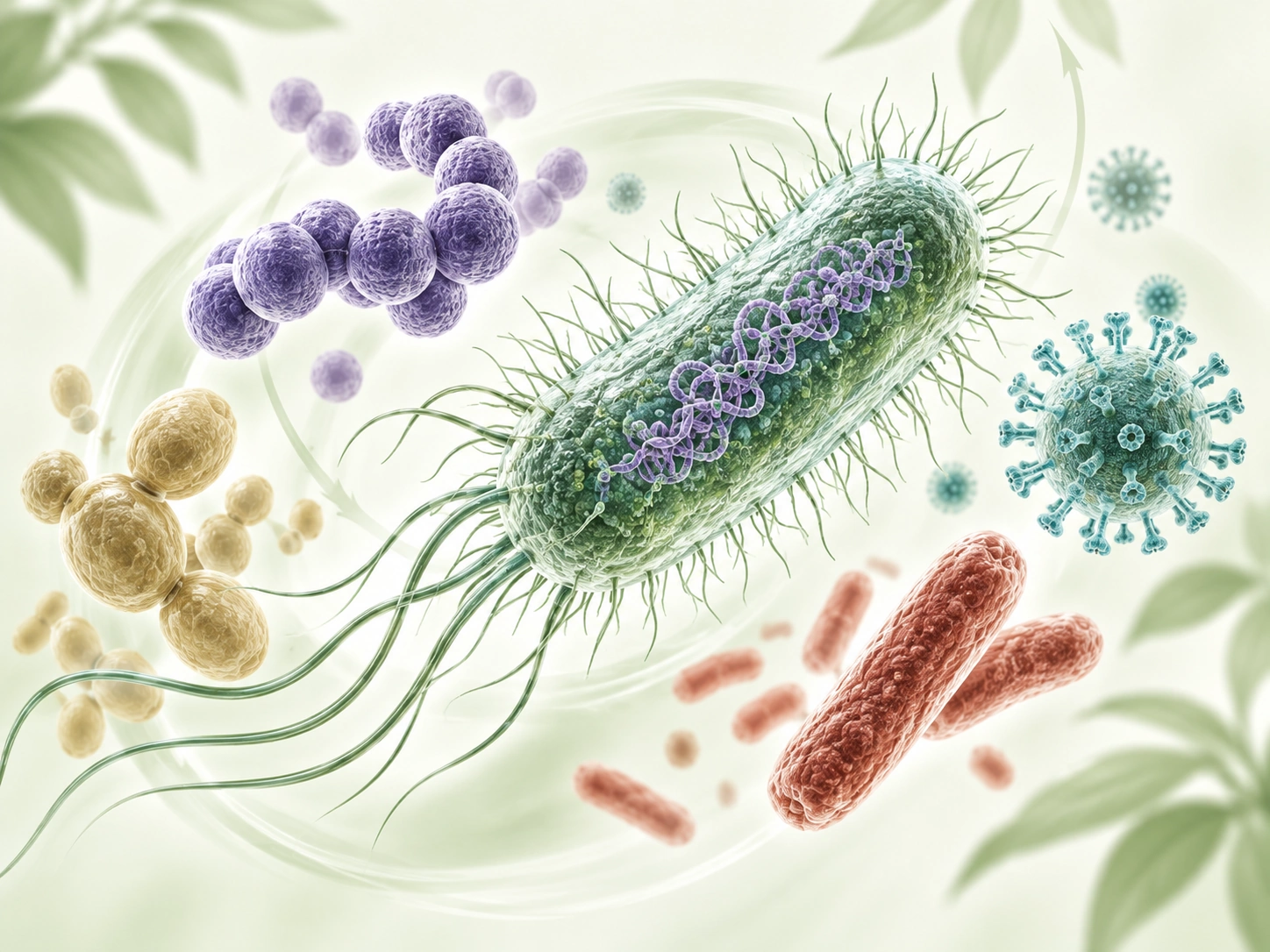
Microbiology
Explore microorganisms and their clinical relevance.
 07
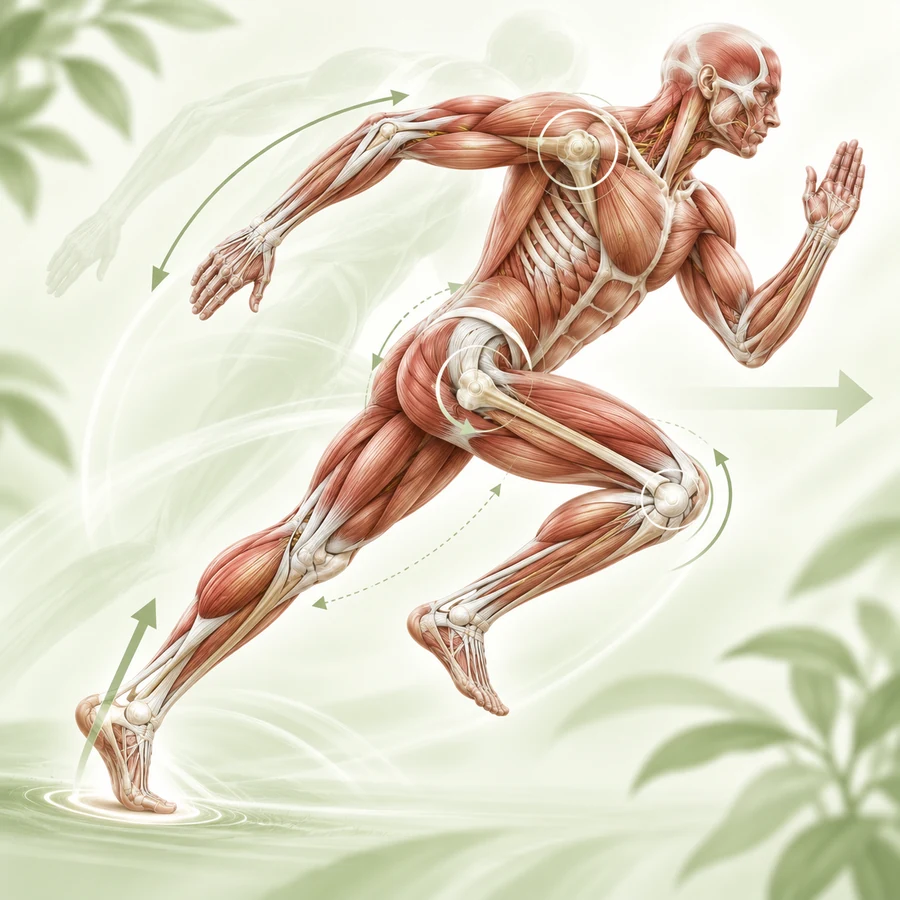
Biomechanics
Understand forces, motion and human movement.
 08
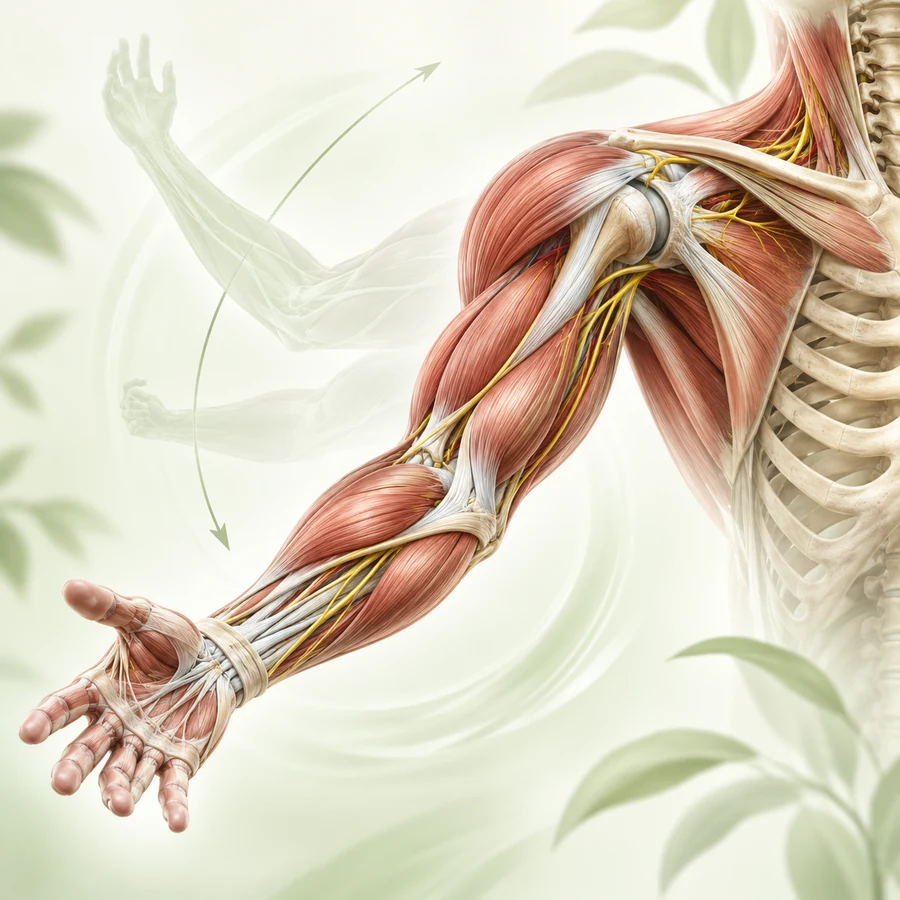
Kinesiology
Study human movement, joint motion and function.
 09
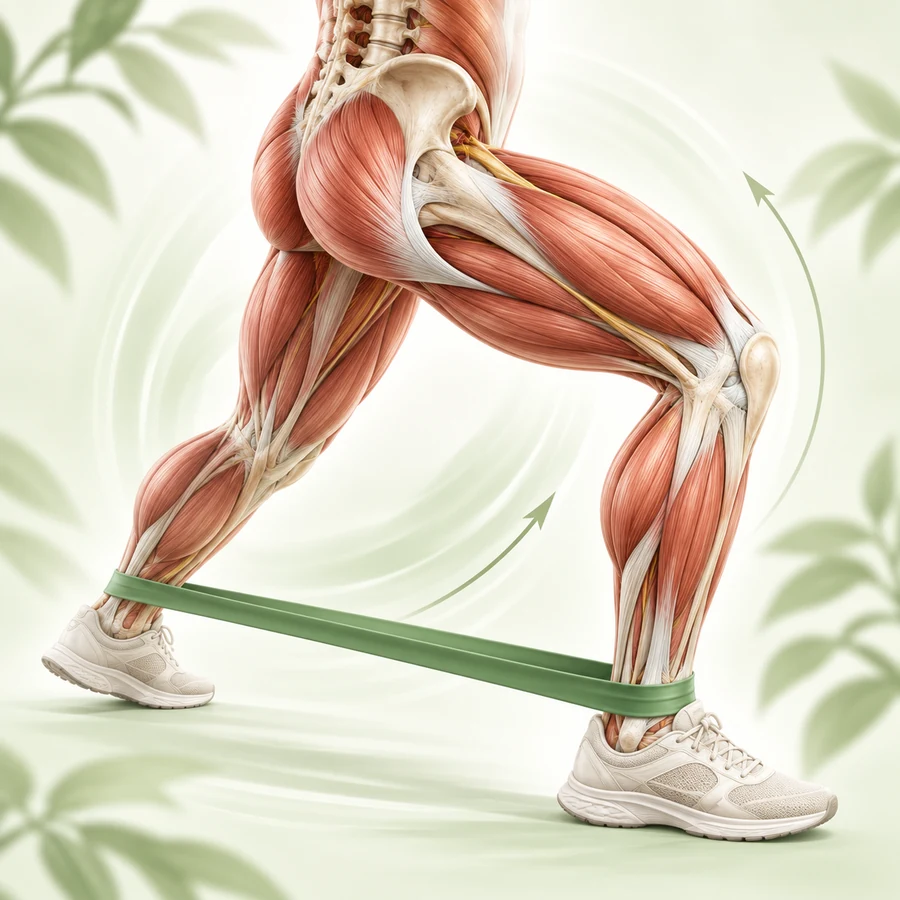
Exercise Therapy
Learn therapeutic exercise, strength and mobility.
 10
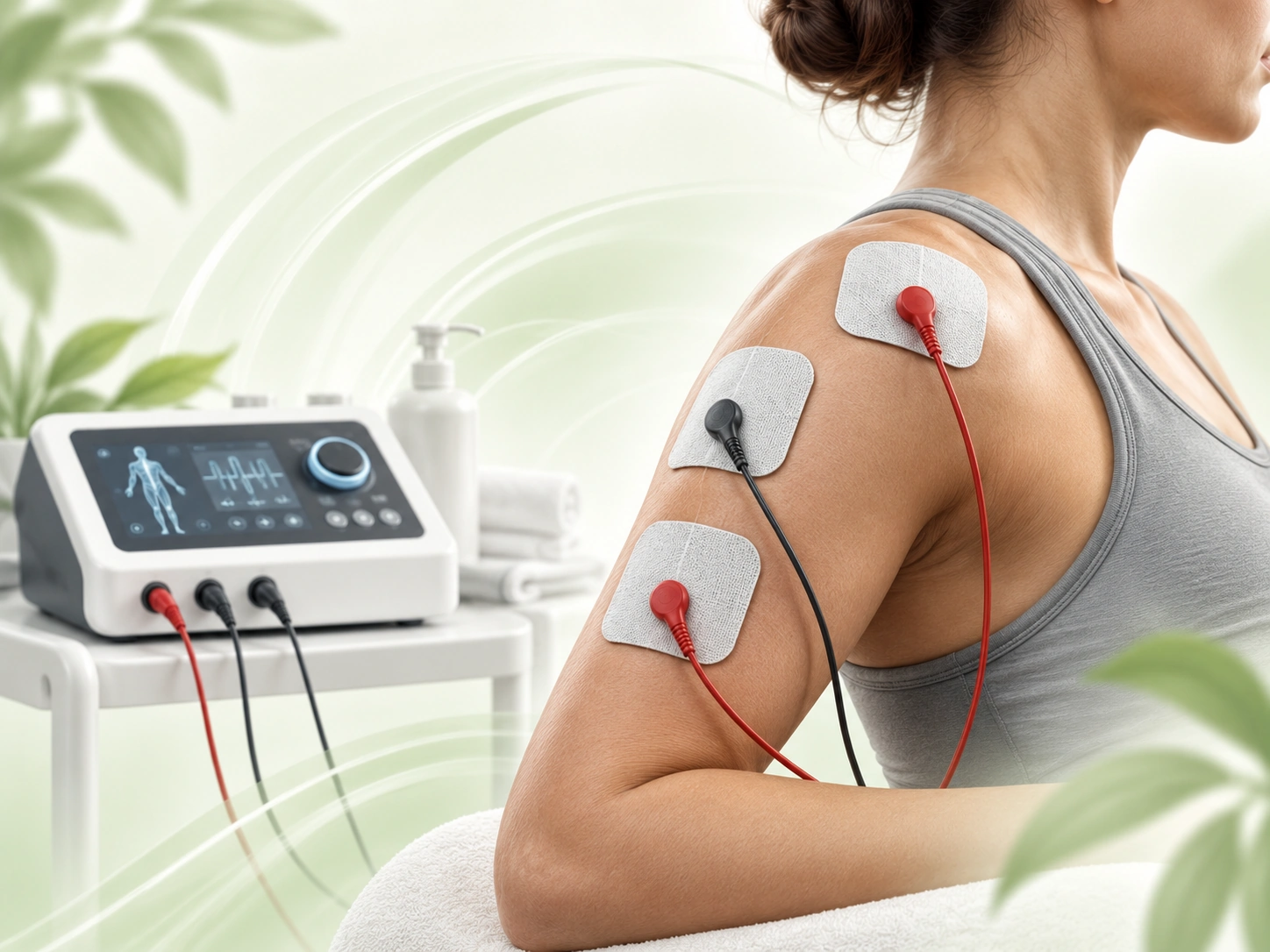
Electrotherapy
Explore electrotherapeutic modalities and applications.
 11
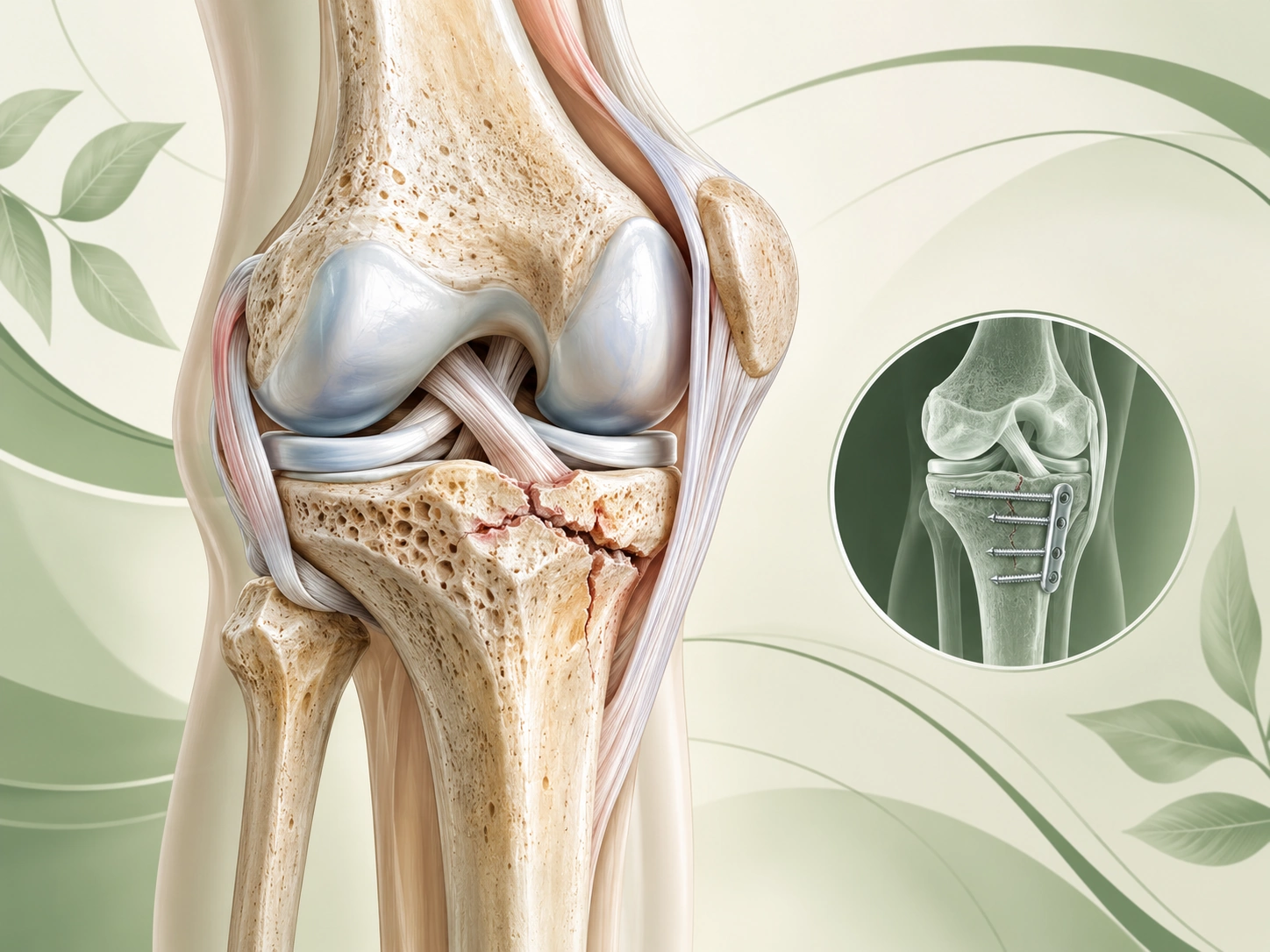
Orthopaedics and Traumatology
Study musculoskeletal injuries and their management.
 12
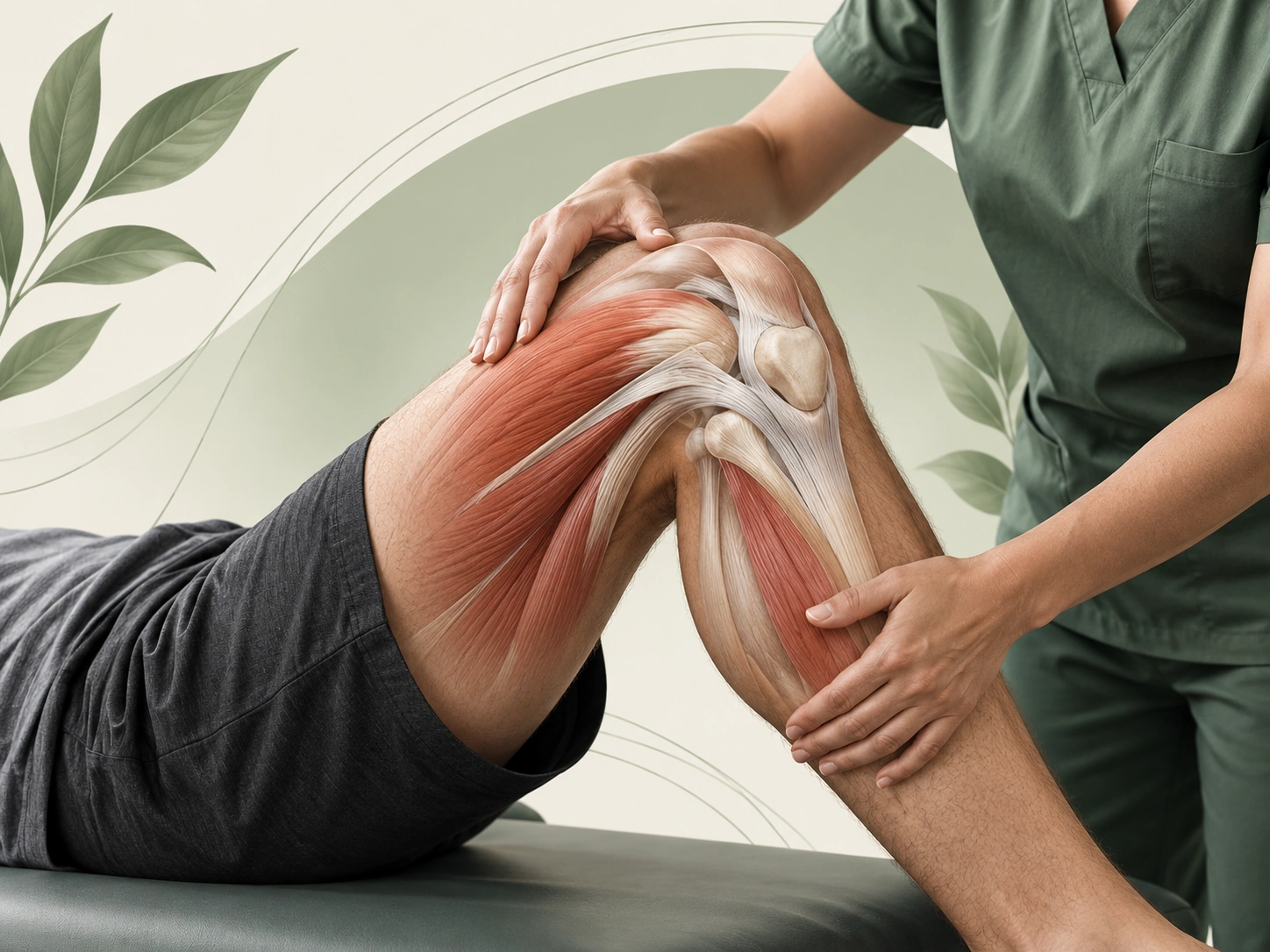
Musculoskeletal Physiotherapy
Assess and manage musculoskeletal conditions.
 13
Sports Physiotherapy
Sports injury assessment, rehabilitation and return to sport.
 14
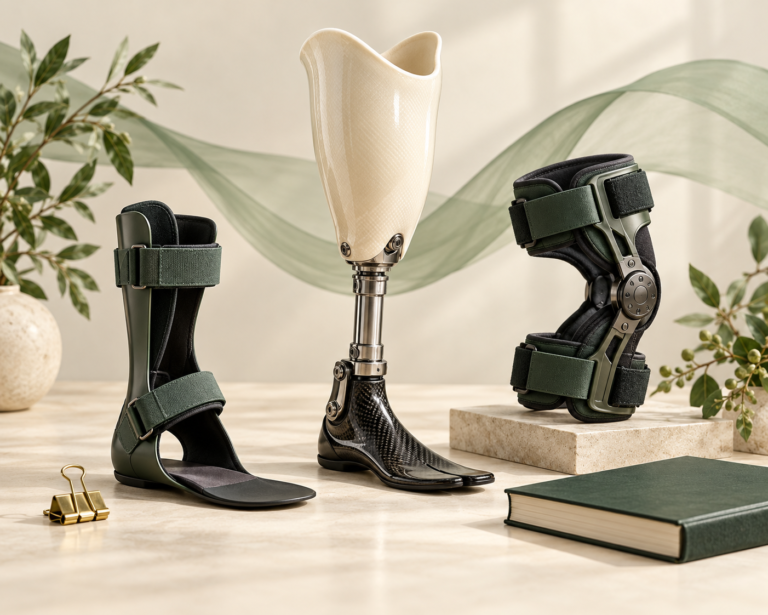
Prosthetics and Orthotics
Prosthetic and orthotic prescription, fitting and rehabilitation.
 15
Ergonomics and Occupational Health
Promote safer movement and healthier workplaces.
 16
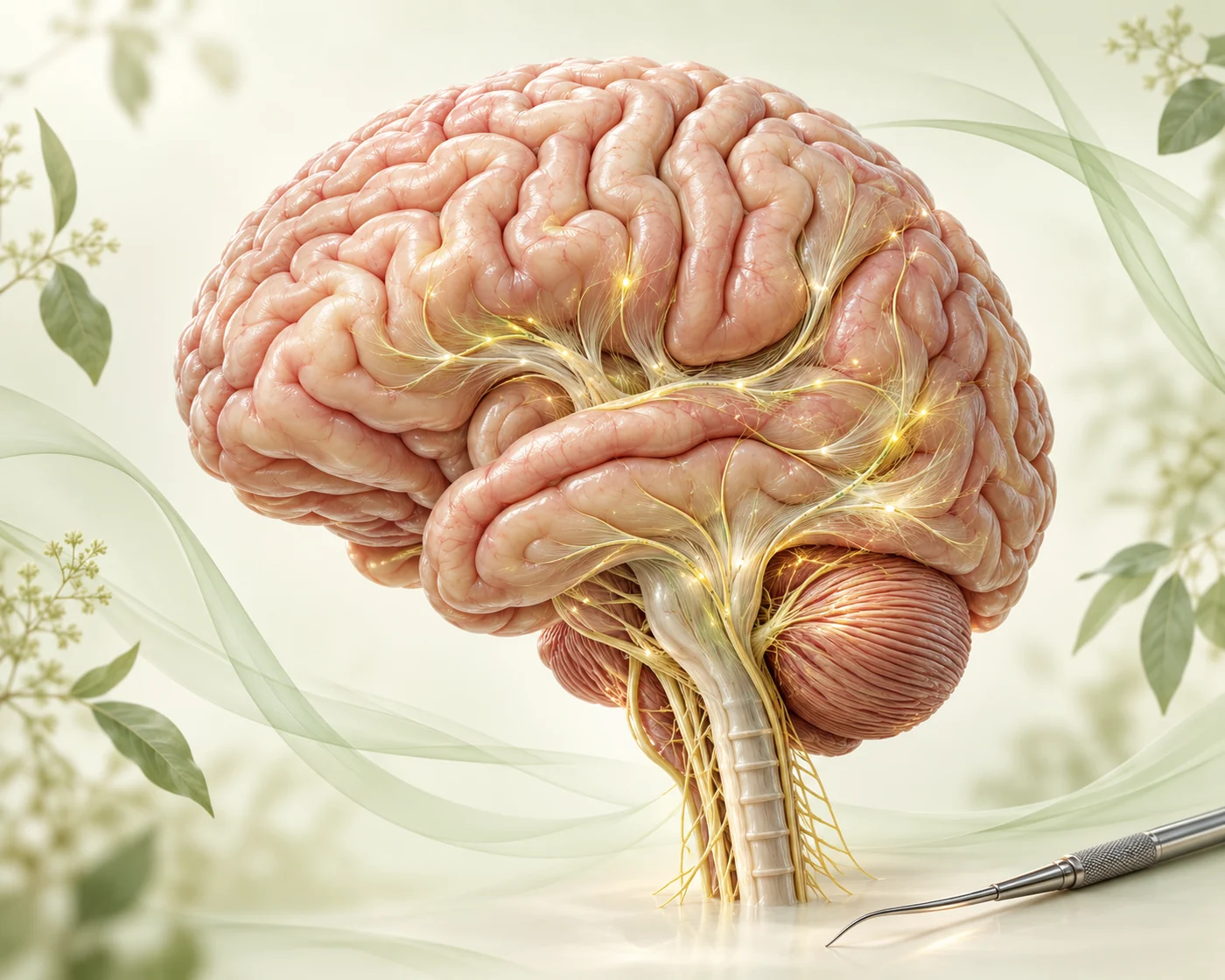
Neurology and Neurosurgery
Study neurological examination, disorders and neurosurgical principles.
 17
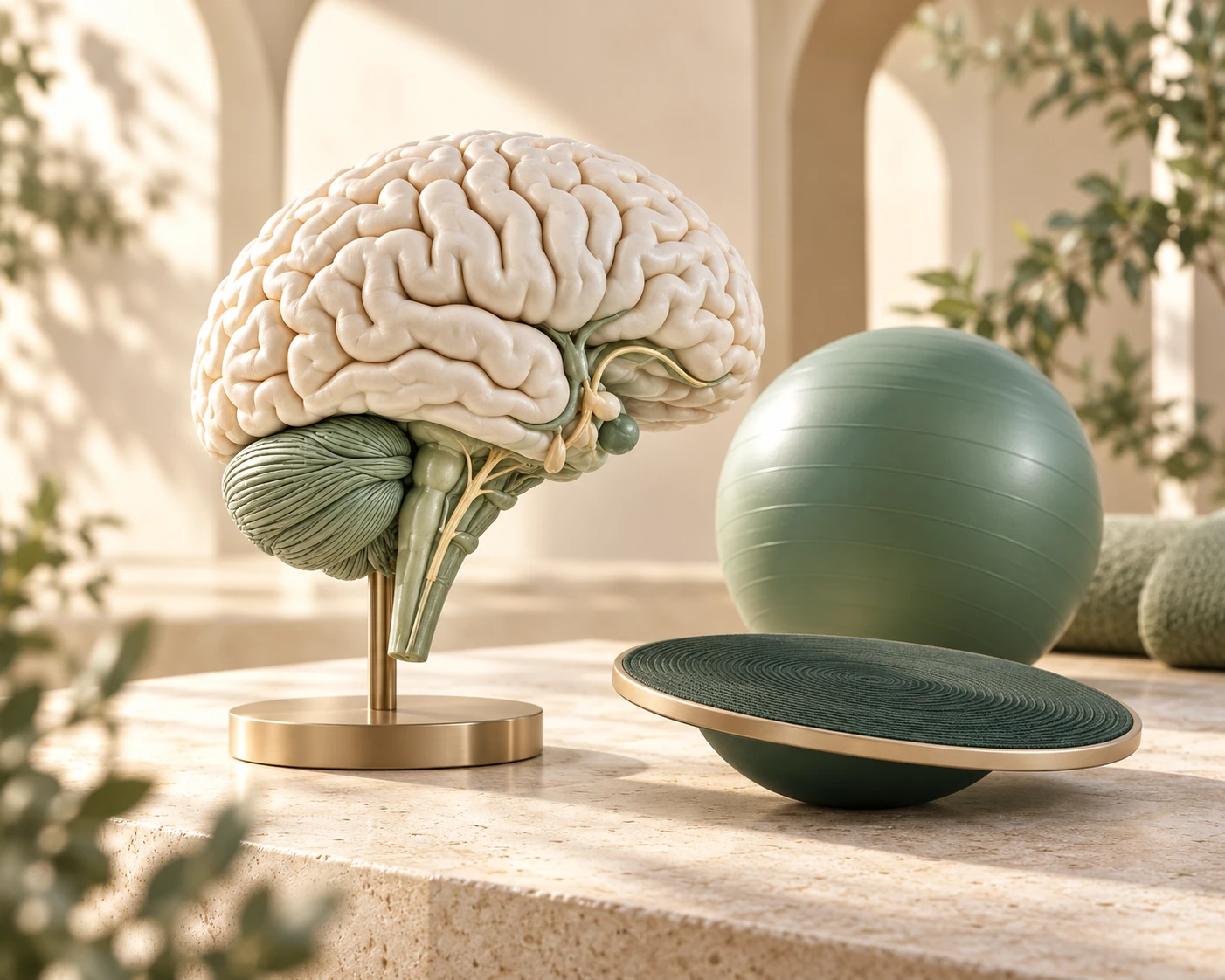
Neurological Physiotherapy
Study neurological assessment, gait, balance and functional rehabilitation.
 18
Medicine
Study general medicine and systemic conditions.
 19
Surgery
Understand surgical principles and patient care.
 20
Cardiopulmonary Physiotherapy
Cardiopulmonary assessment, breathing techniques and rehabilitation.
 21
Paediatric Physiotherapy
Support growth and development across childhood.
 22
Geriatric Physiotherapy
Address age-related movement and functional needs.
 23
Women's Health Physiotherapy
Explore pelvic health, pregnancy, postnatal care and rehabilitation.
 24
Community Medicine
Understand population health and preventive care.
 25
Community-Based Rehabilitation
Promote inclusion and participation in the community.
 26
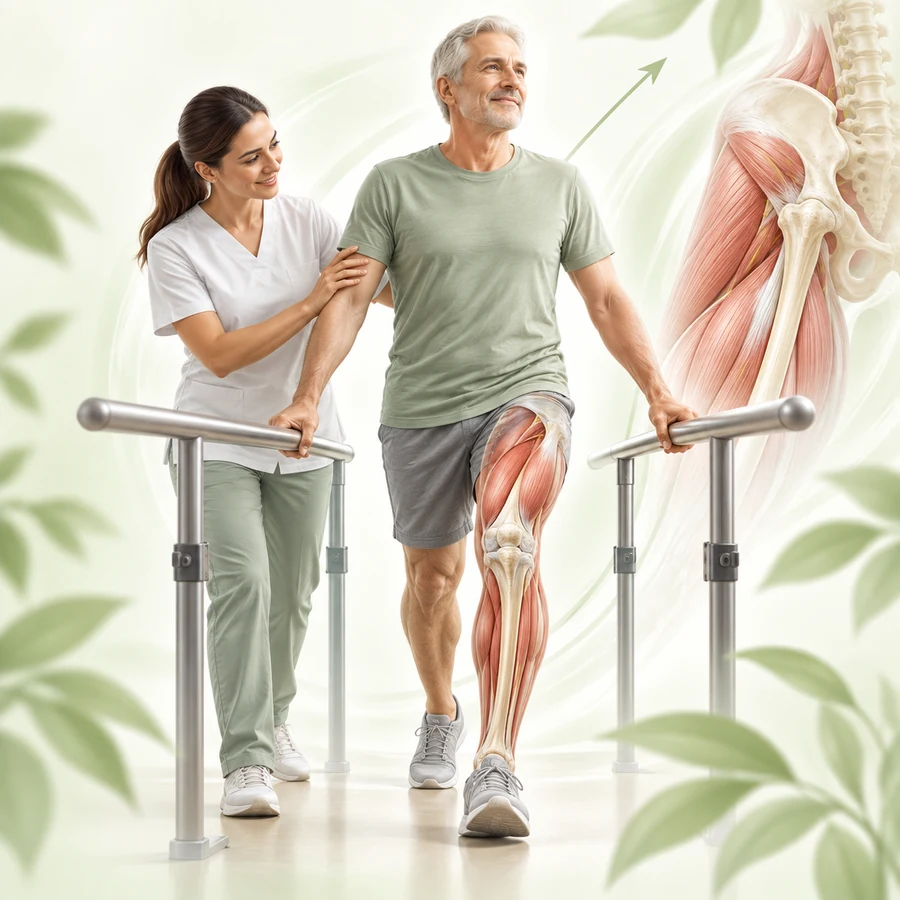
Rehabilitation Medicine
Study rehabilitation, recovery and functional independence.
 27
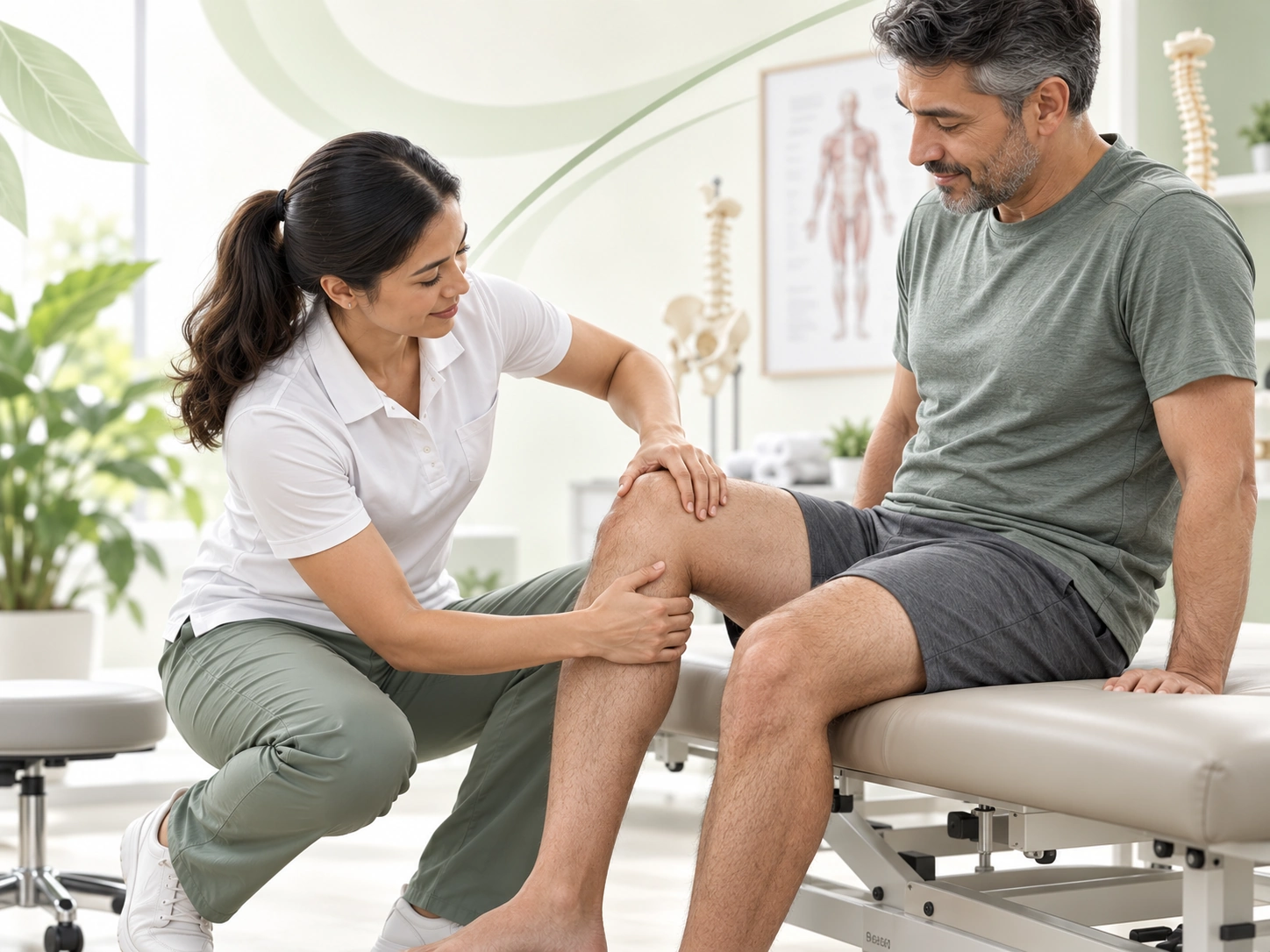
Clinical Examination and Assessment
Develop essential clinical assessment skills.
 28
Clinical Reasoning and Decision Making
Strengthen problem-solving and evidence-based decisions.
 29
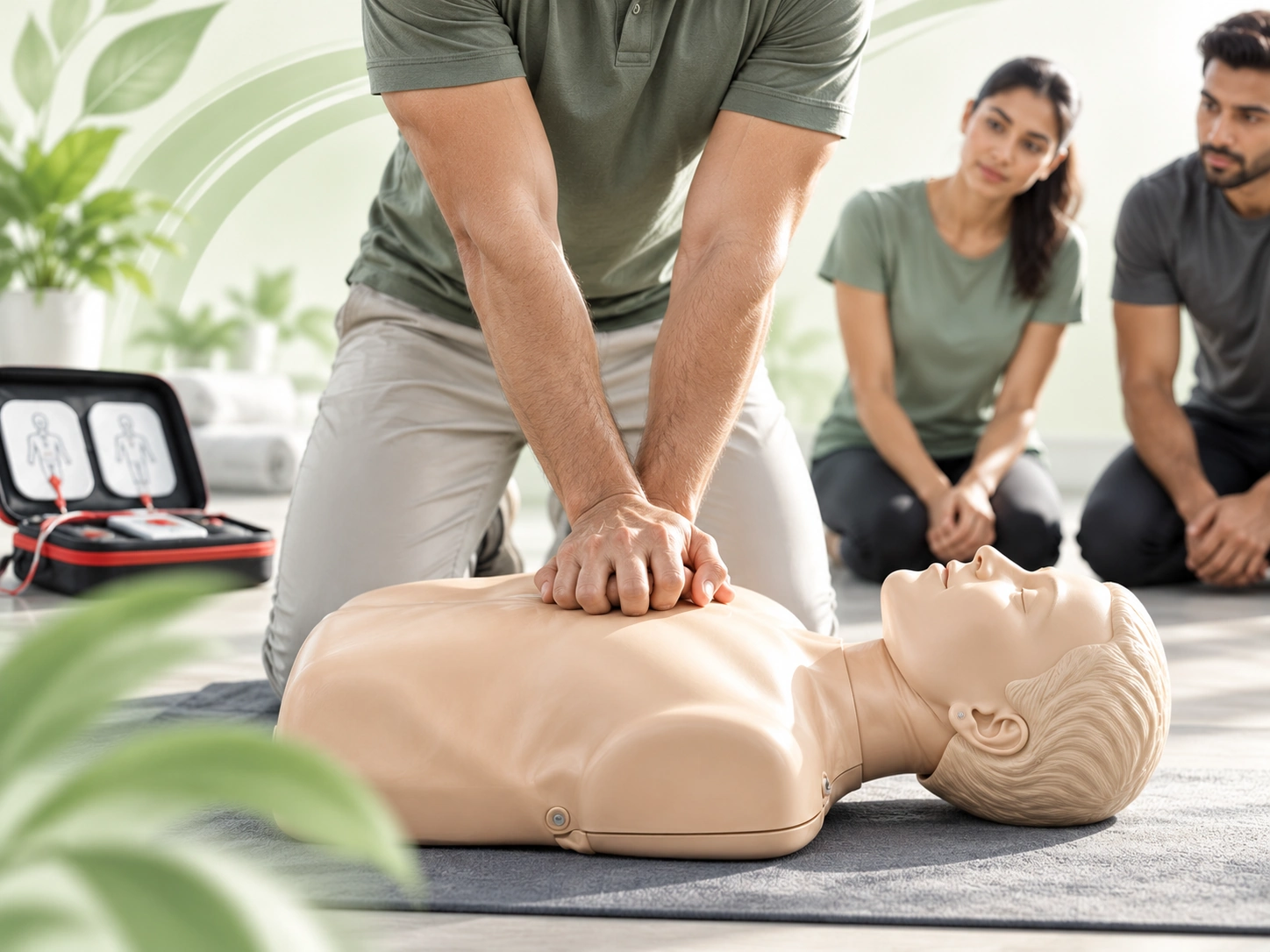
First Aid and Emergency Care
Learn first aid, CPR, emergency assessment and urgent care principles.
 30
Evidence-Based Practice
Integrate research evidence, clinical expertise and patient preferences.
 31
Research Methodology
Study research design, sampling, data collection and scientific reporting.
 32
Biostatistics
Understand and apply statistical methods.
 33
Psychology
Explore learning, behaviour, cognition and psychological aspects of health.
 34
Sociology
Explore society, culture and their influence on health.
 35
Medical Ethics and Professional Practice
Learn ethics, professionalism and responsible practice.
 36
Genetics
Explore DNA, inheritance and genetic variation.
 37
Immunology
Understand immune responses and the body’s defences.
 38
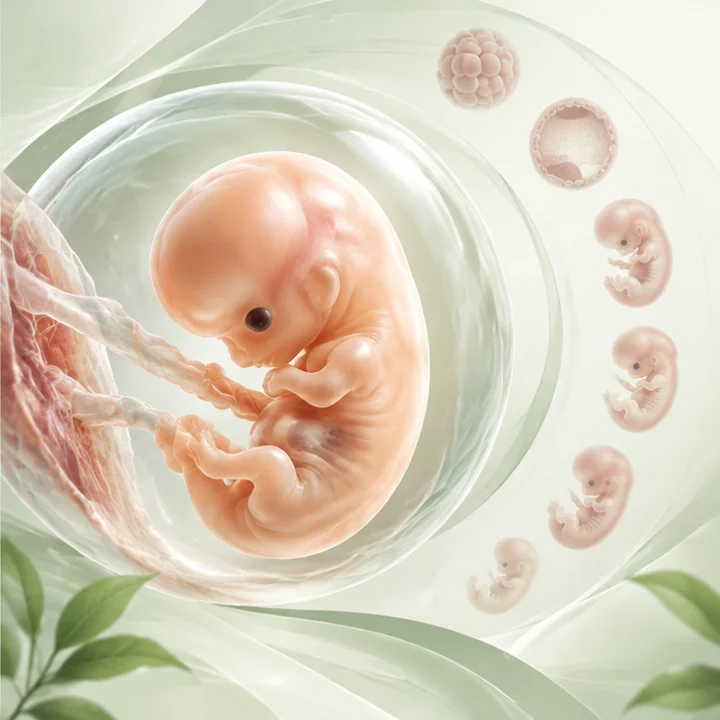
Embryology
Explore human development from fertilisation to birth.
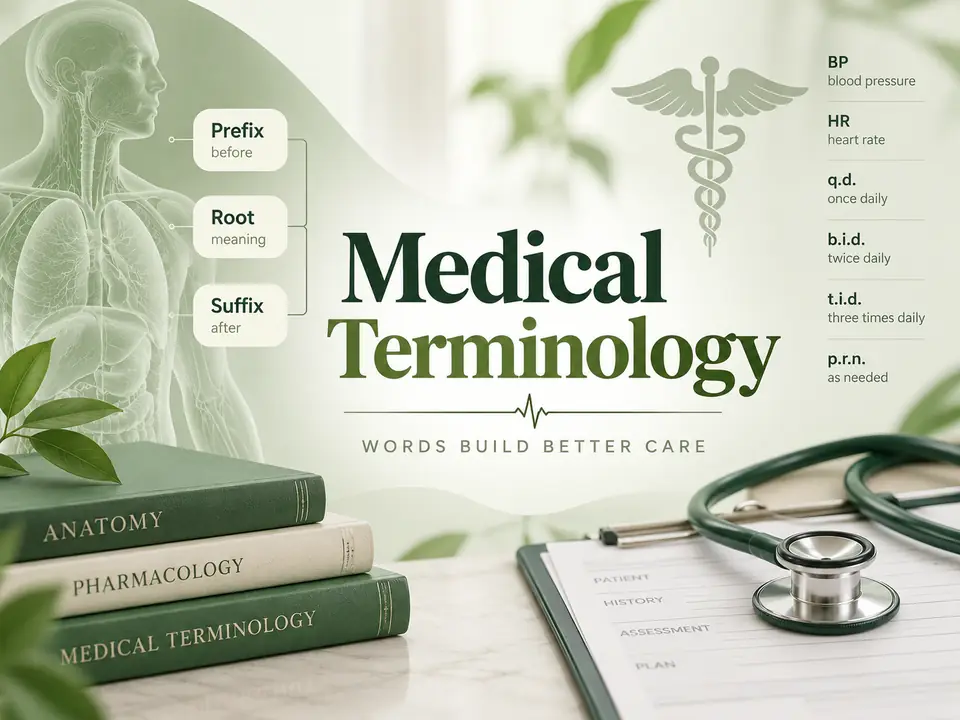 39
Medical Terminology
Build fluency in medical words, body-system terms and safe clinical communication.
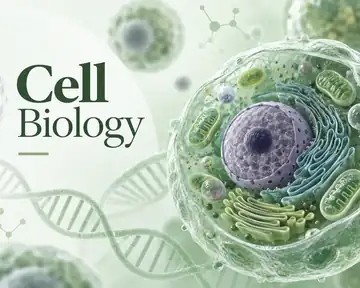 40
Cell Biology
Explore cell structure, organelles, membranes and molecular processes.
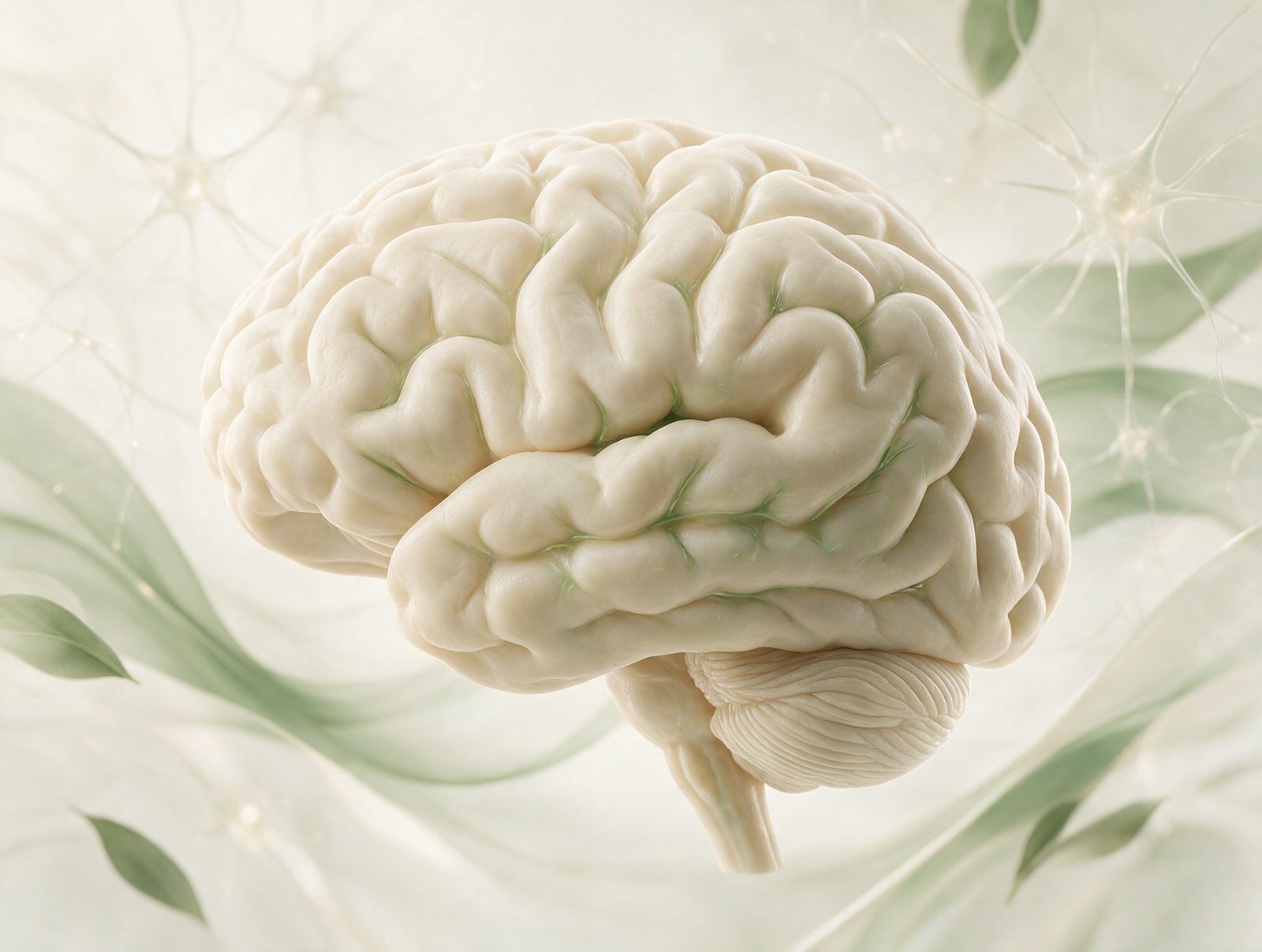 41
Neuroscience and Neuroanatomy
Explore the brain, spinal cord, neural pathways and nervous-system function.
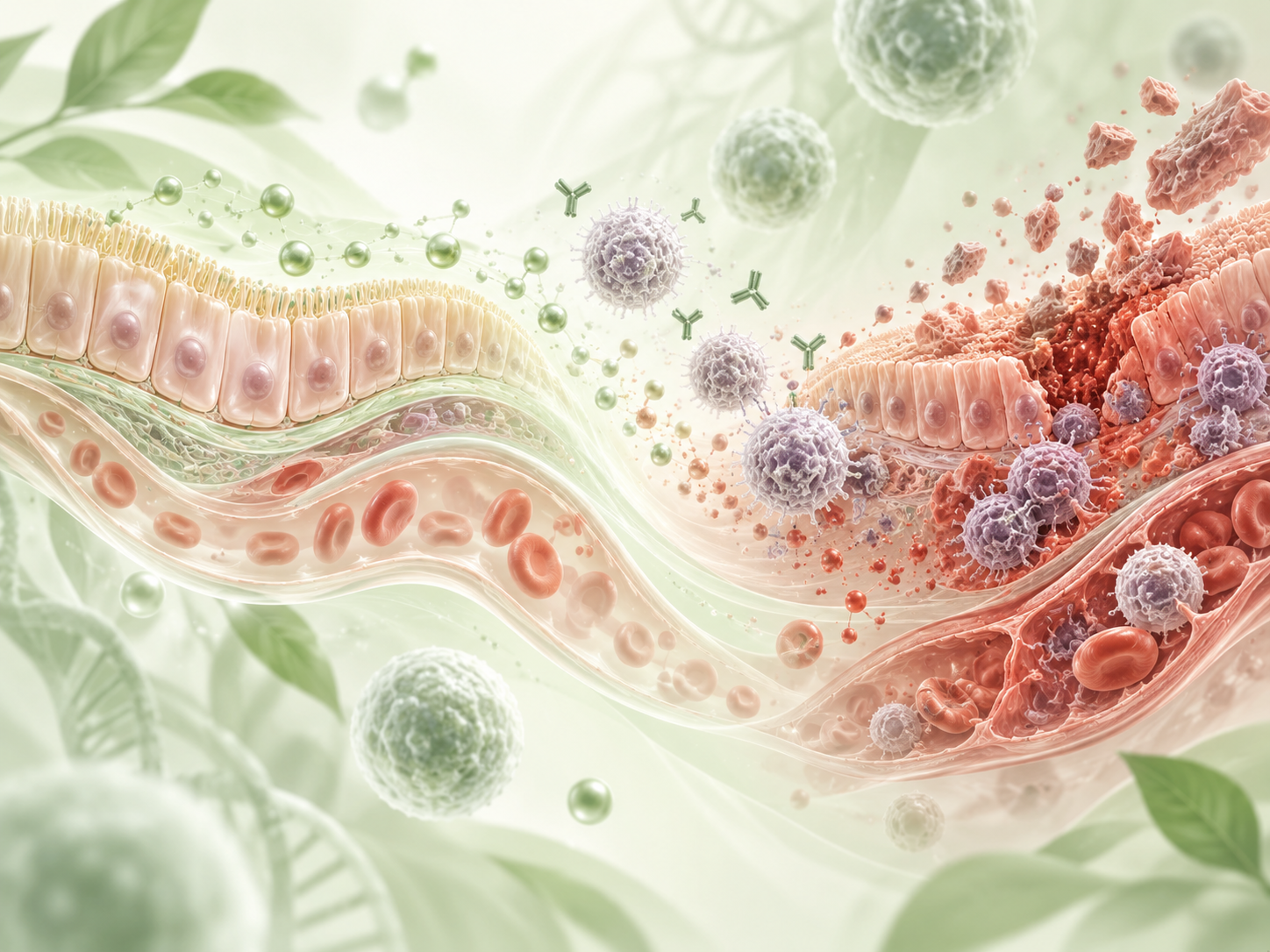 42
Pathophysiology
Understand how altered physiology leads to disease and clinical findings.
 43
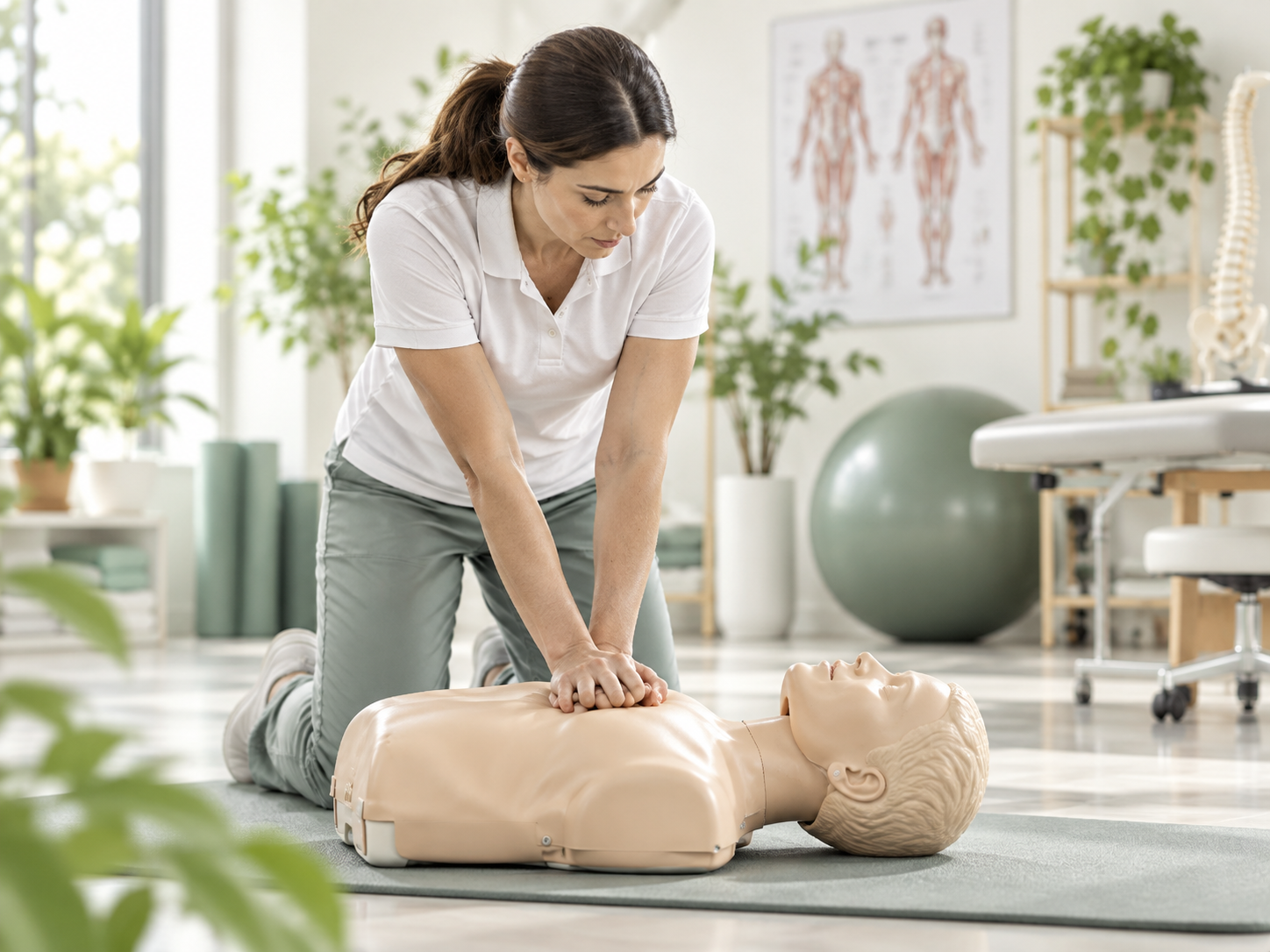
Basic Life Support and CPR
Learn essential life-saving skills for cardiac and respiratory emergencies.
 44
Communication Skills
Strengthen patient, team and professional communication.
 45
Environmental and Occupational Health
Study environmental risks, workplace hazards and preventive health strategies.
 46
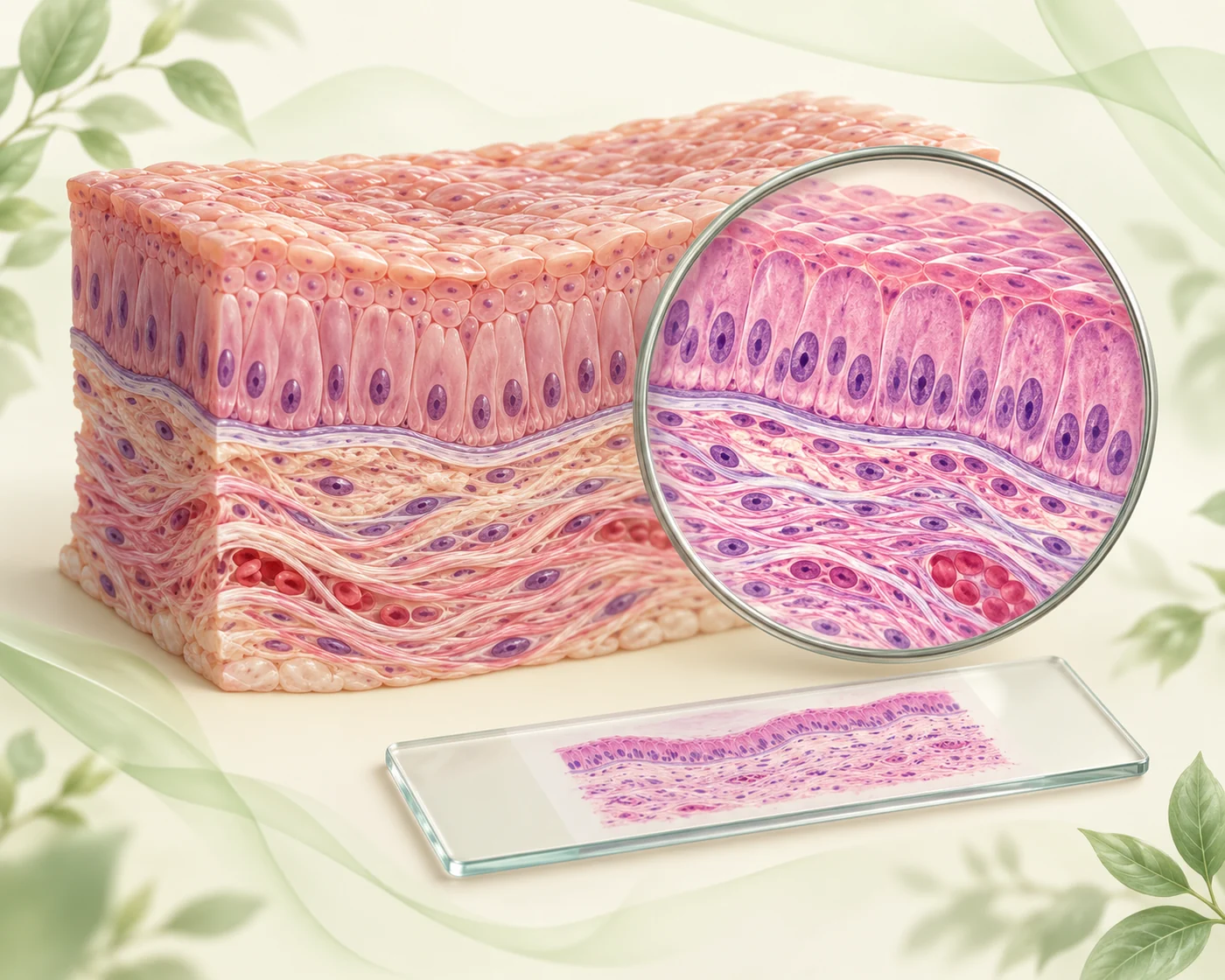
Histology
Explore microscopic tissue structure and organ function.
 47
Evidence-Based Physiotherapy Practice
Clinical questions, research appraisal and evidence-informed physiotherapy decisions.
 48
Health Informatics and Digital Health
Health data, electronic records, digital tools and connected care.
 49
Healthcare Systems and Health Policy
Healthcare delivery, financing, governance and policy.
 50
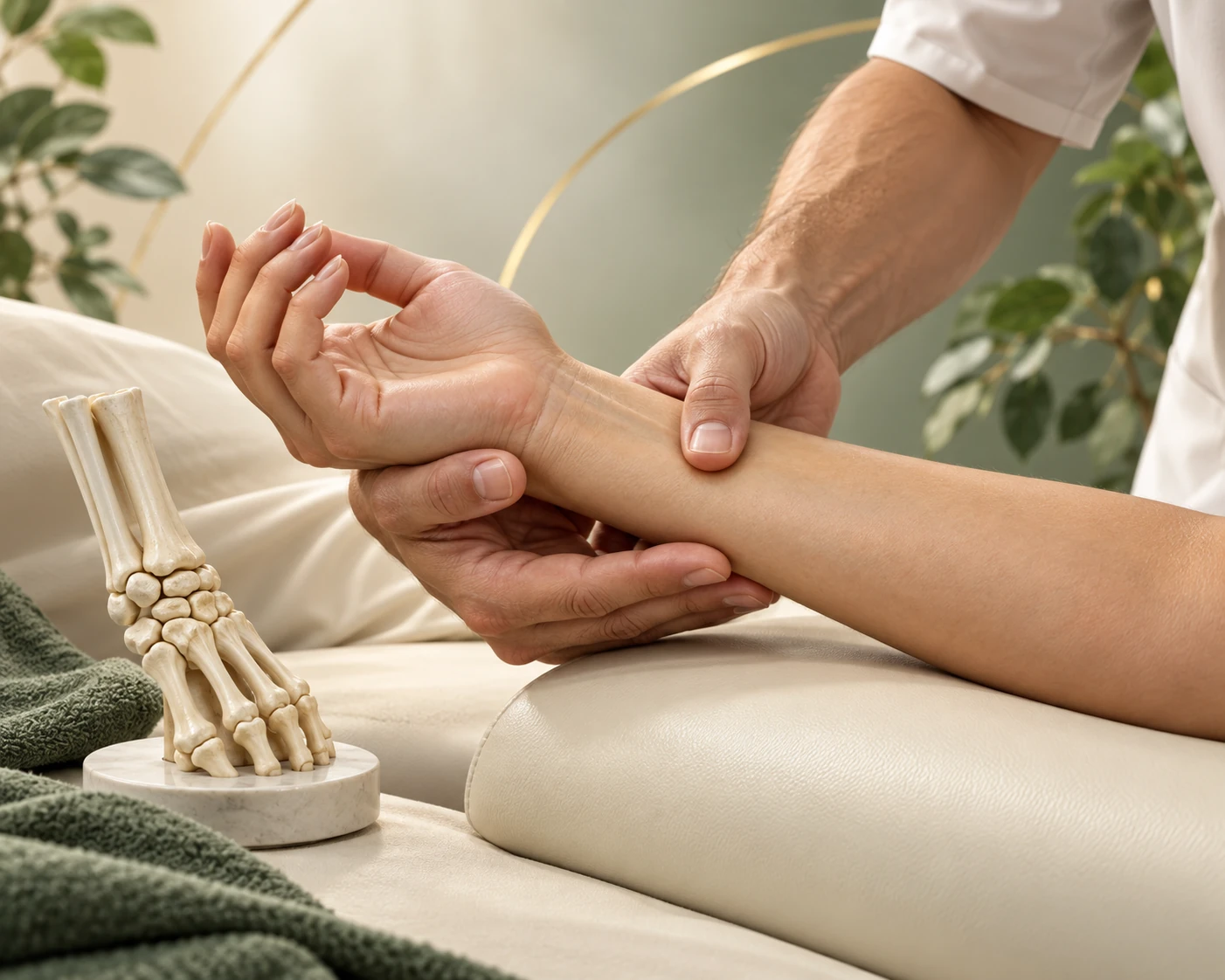
Manual Therapy
Explore joint and soft-tissue techniques, clinical reasoning and safe manual therapy.
 51
Clinical Physiotherapy and Clinical Practice
Build clinical assessment, treatment planning and practical rehabilitation skills.
 52
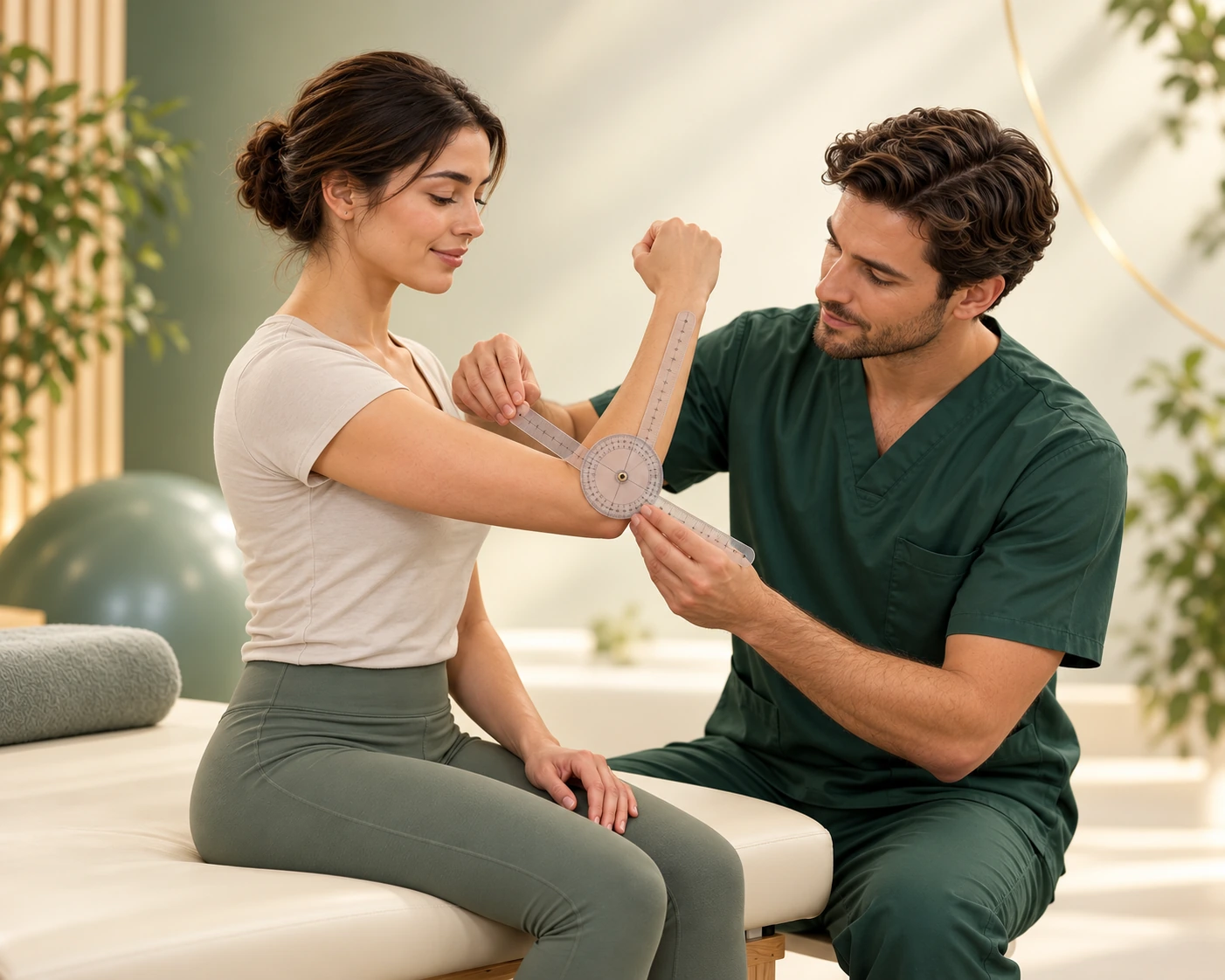
Physiotherapy Assessment and Diagnosis
Learn systematic assessment, clinical screening, outcome measures and physiotherapy diagnosis.
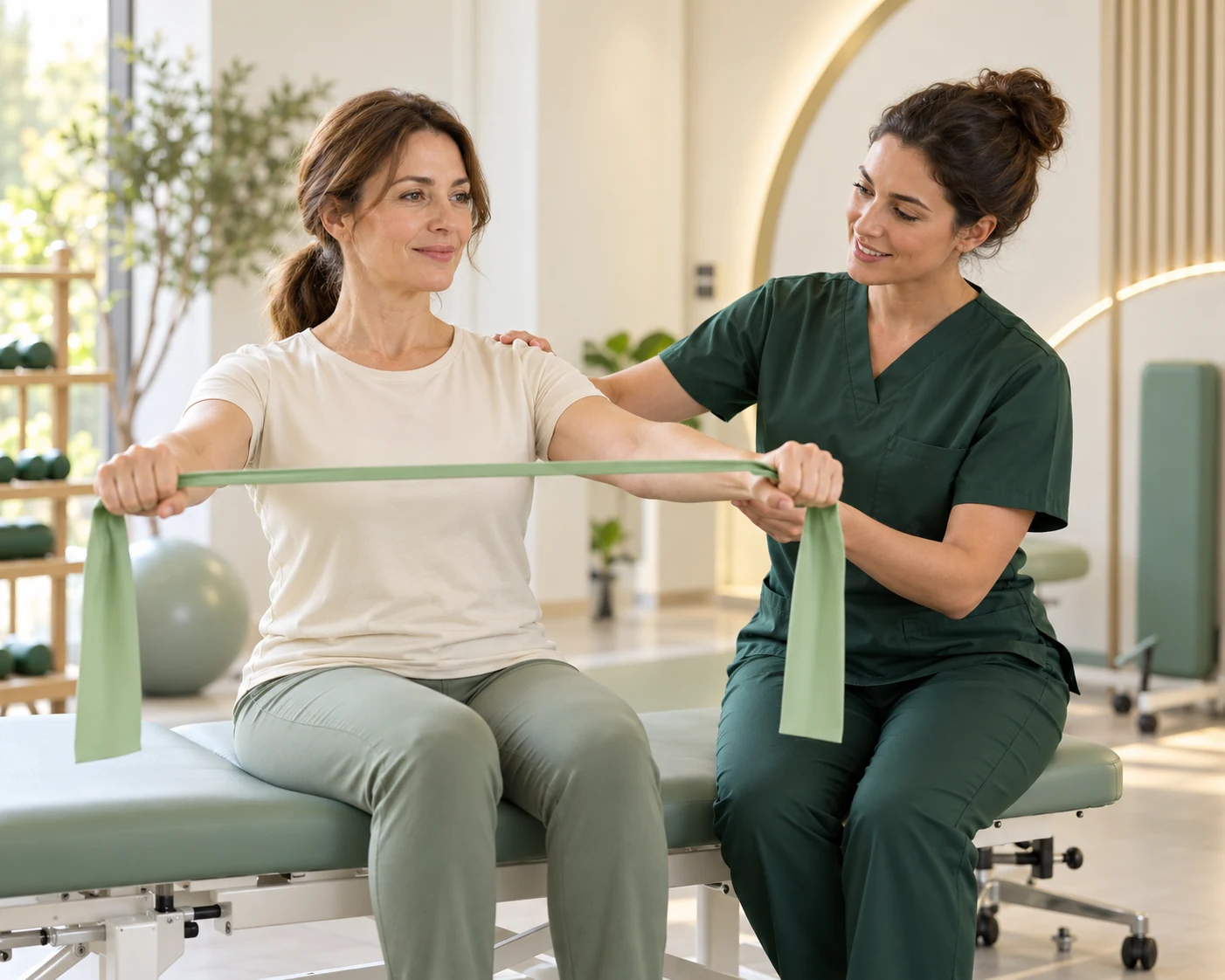 53
Therapeutic Exercises
Build exercise prescription, progression and rehabilitation skills across clinical populations.
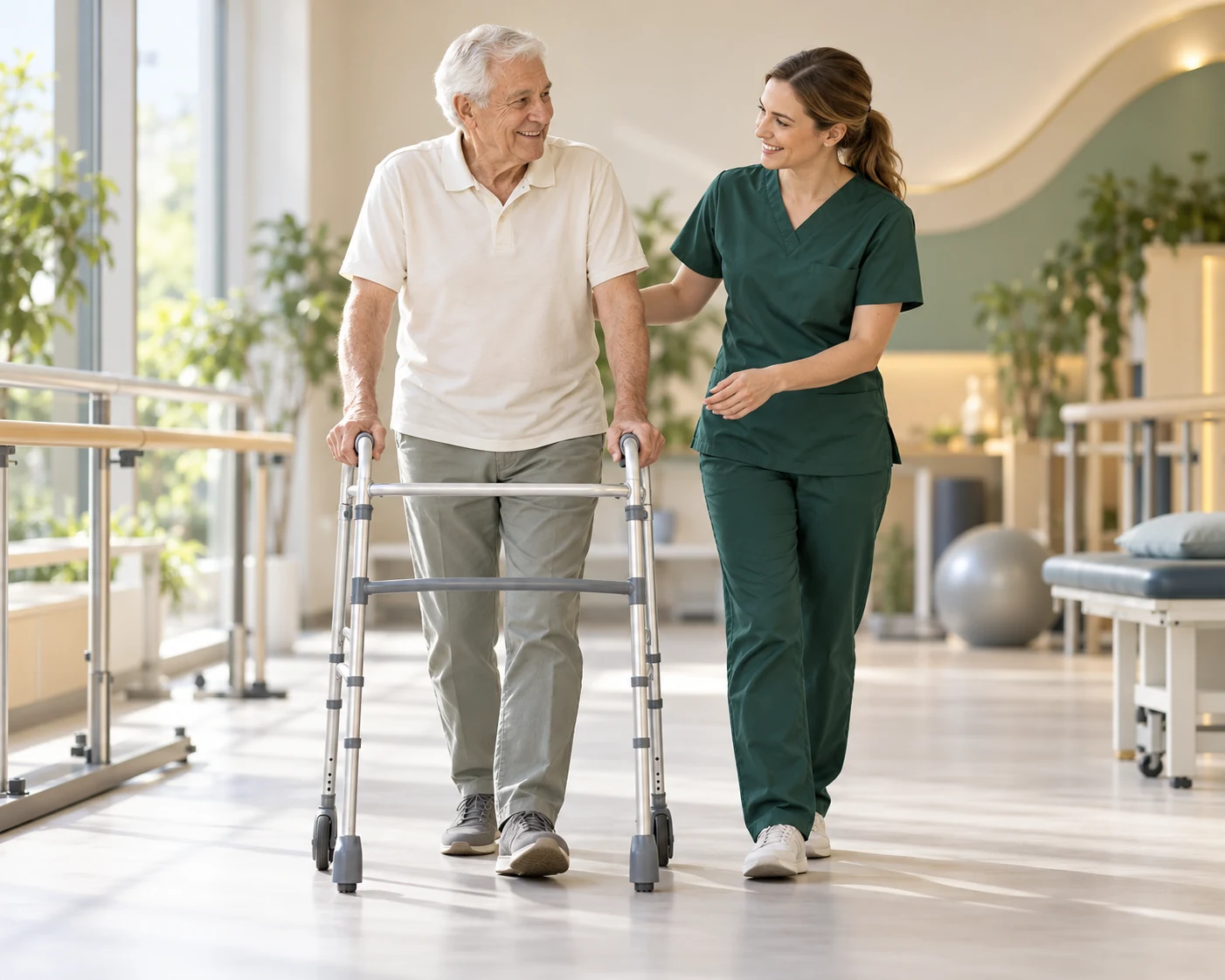 54
Surgery for Physiotherapists
Explore surgical principles, perioperative care and safe postoperative physiotherapy.
 55
Scientific Writing & Academic Skills
Build clear, ethical scientific writing and academic study skills.
 56
Public Health & Community Medicine
Explore population health, community medicine and disease prevention.
 57
Interprofessional Healthcare
Strengthen teamwork, communication and collaborative healthcare.
 58
Infection Prevention & Control
Learn infection prevention, hand hygiene and safe care practices.
 59
Nutrition & Clinical Nutrition
Understand nutrition, dietary assessment and clinical nutrition care.
 60
Health Promotion & Disease Prevention
Explore healthy habits, prevention and effective health promotion.
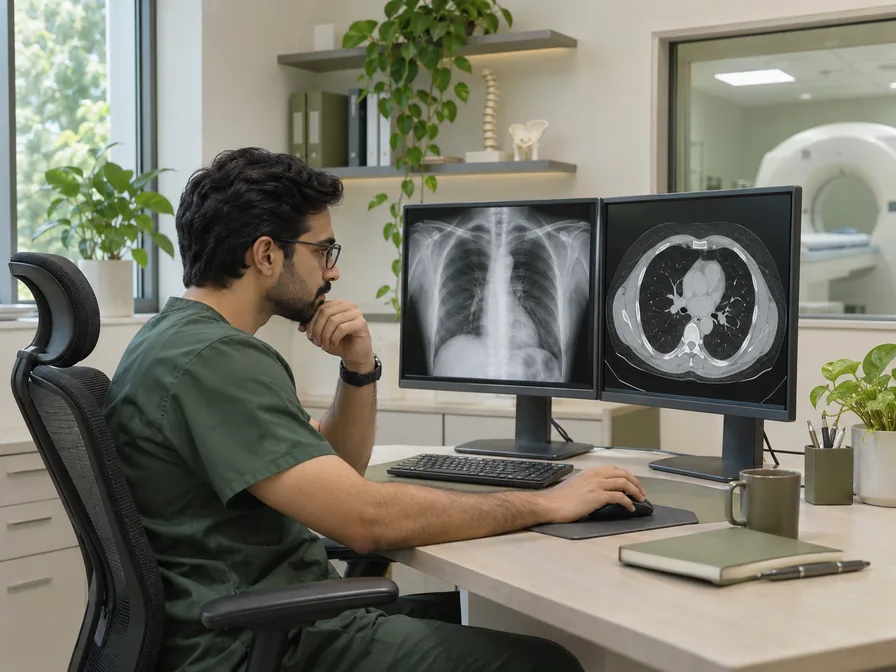 61
Radiology & Diagnostic Imaging
Build knowledge of X-ray, CT, MRI, ultrasound and clinical imaging.
 62
Epidemiology
Study disease patterns, screening, study design and interpretation of health data.
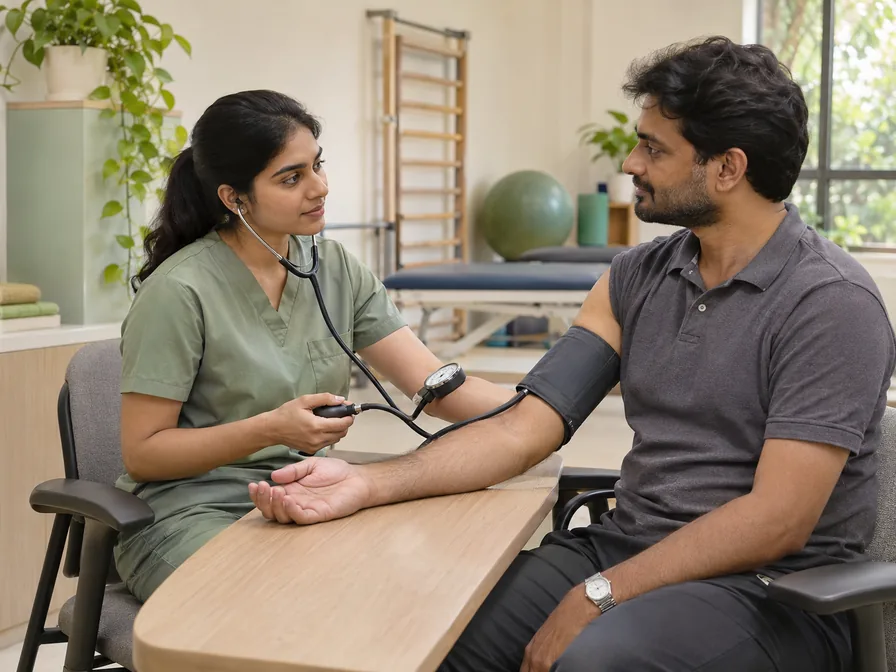 63
Medicine for Physiotherapists
Explore medical conditions, clinical signs and precautions relevant to rehabilitation.
 64
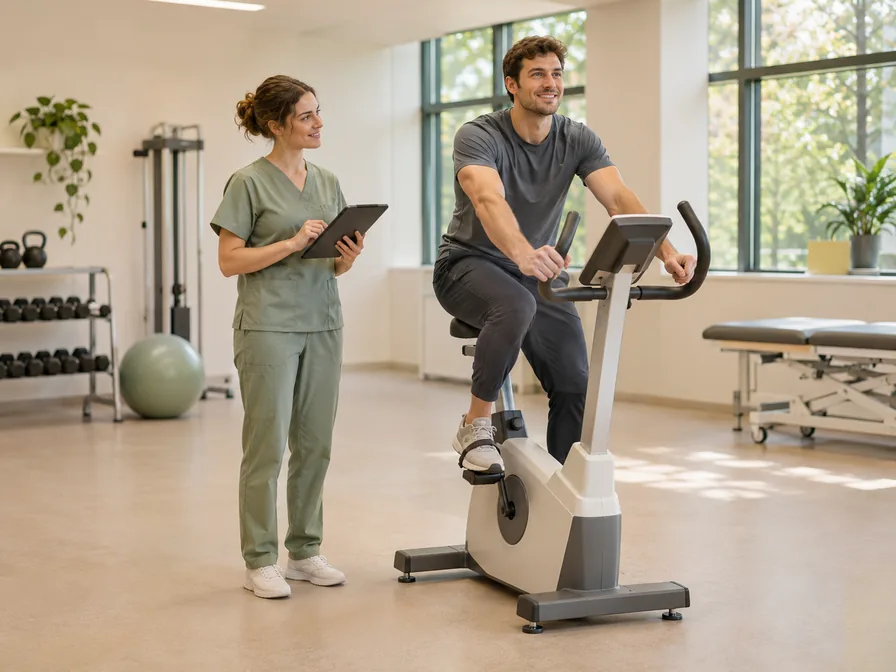
Exercise Physiology
Learn how the body responds to exercise and apply physiology to testing, training and rehabilitation.
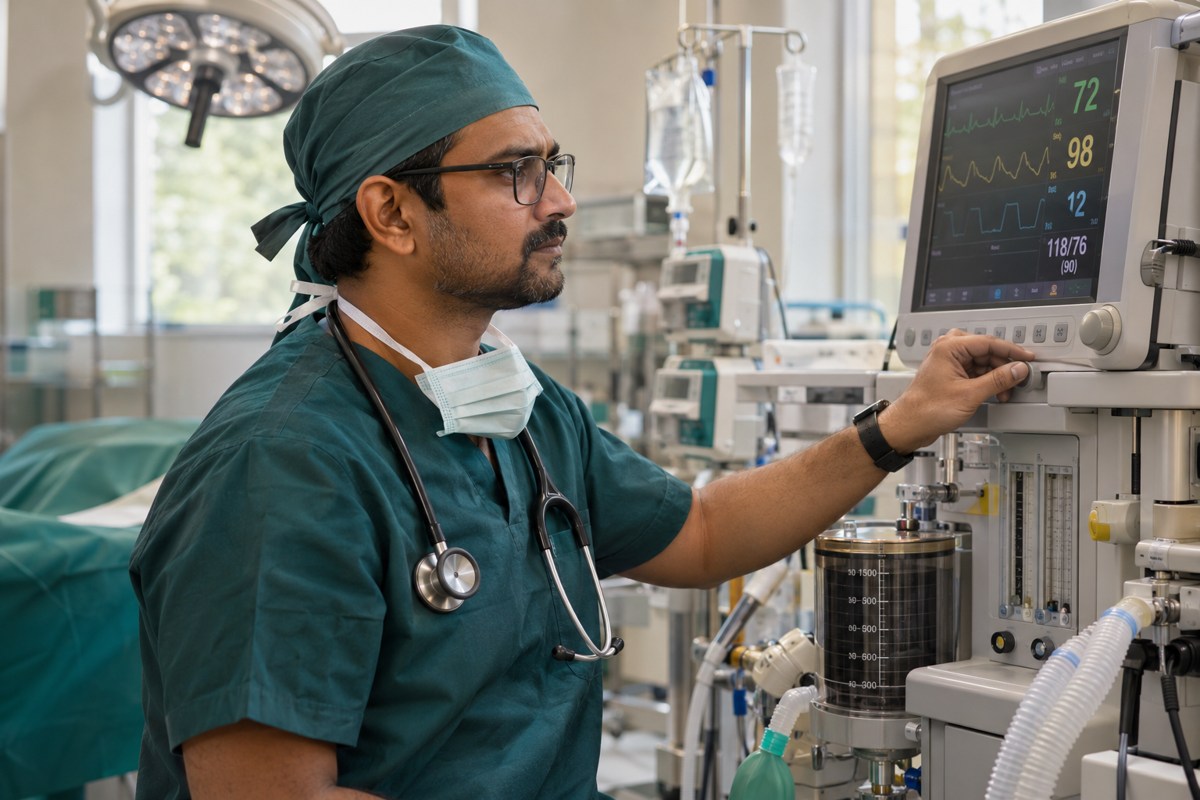
Anesthesiology
Study anaesthetic agents, airway management and perioperative care.
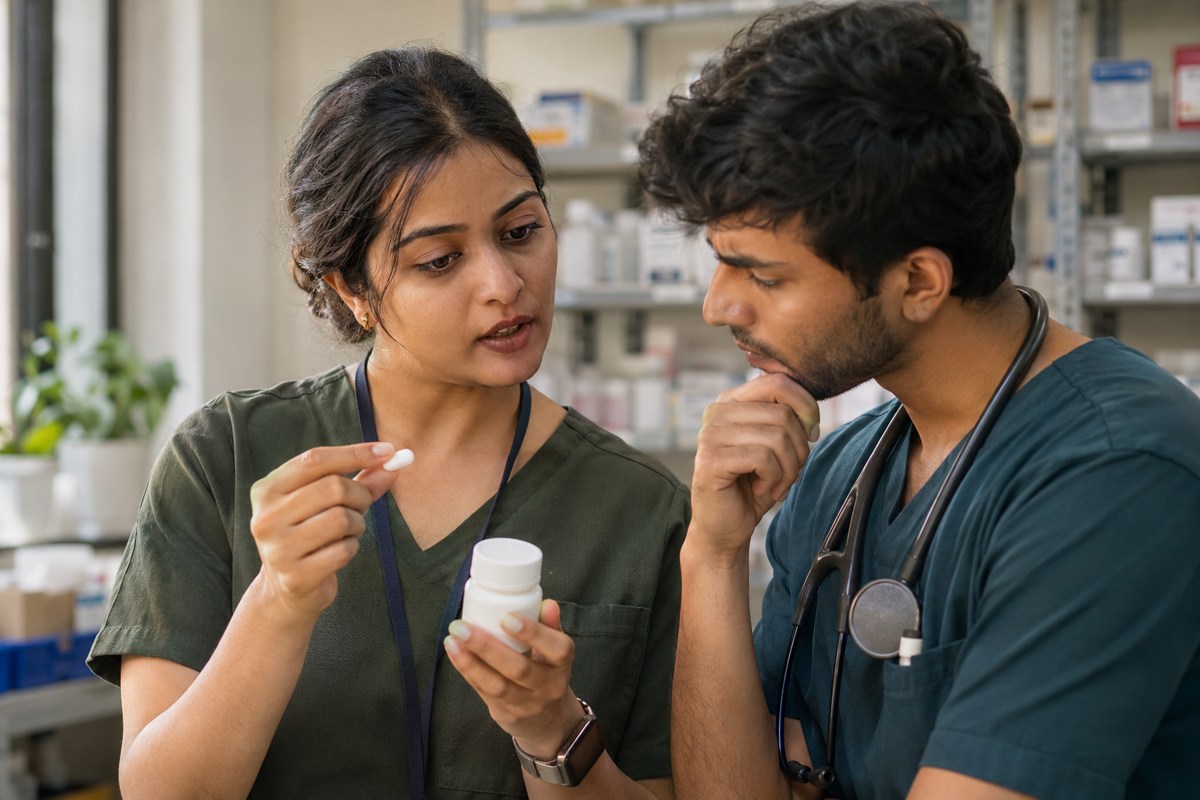
Clinical Pharmacology
Explore drug action, prescribing principles and safe medication use.
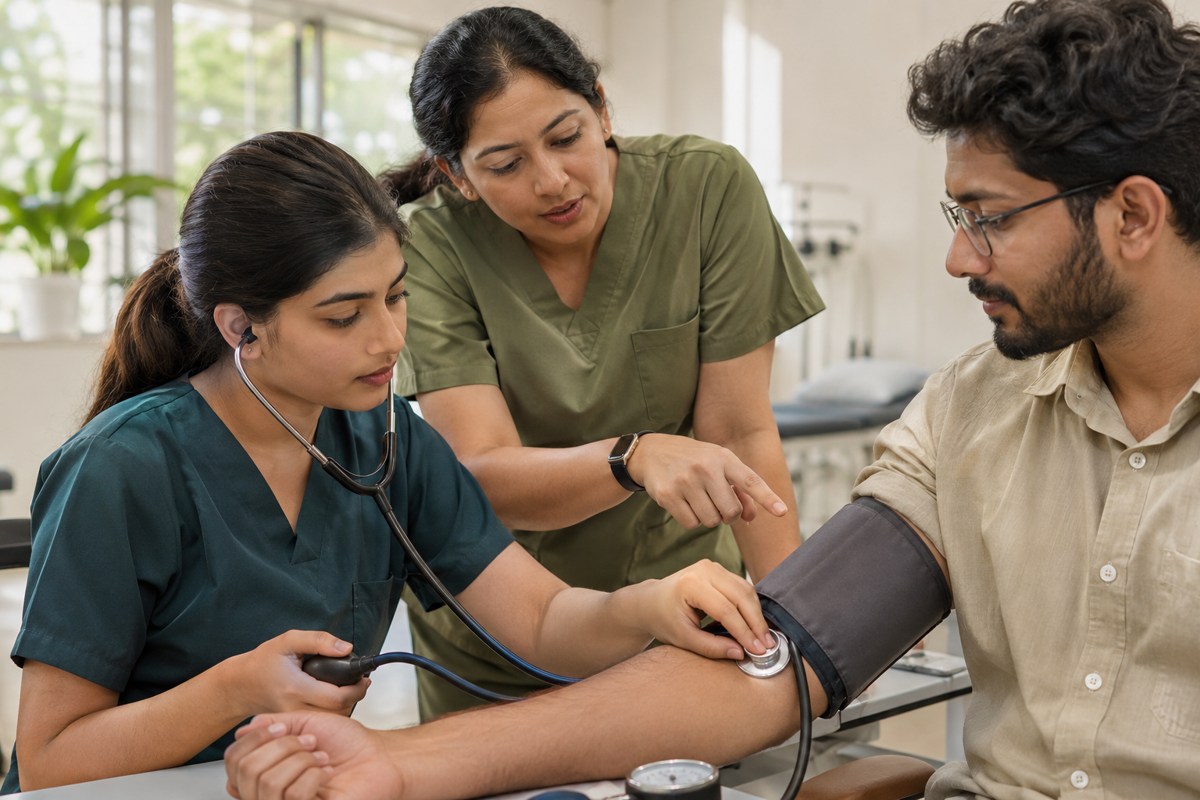
Clinical Skills
Practise the principles of patient assessment, procedures and clinical communication.
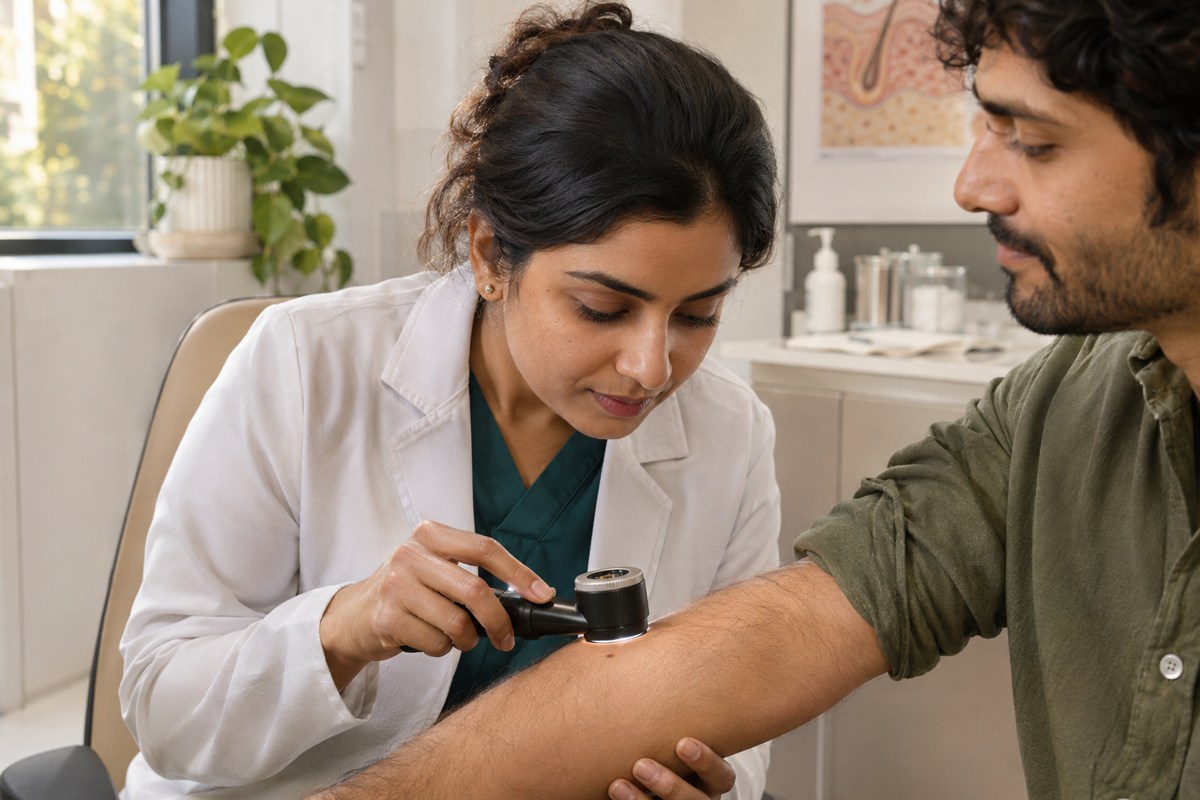
Dermatology
Study skin examination and the presentation of common skin conditions.
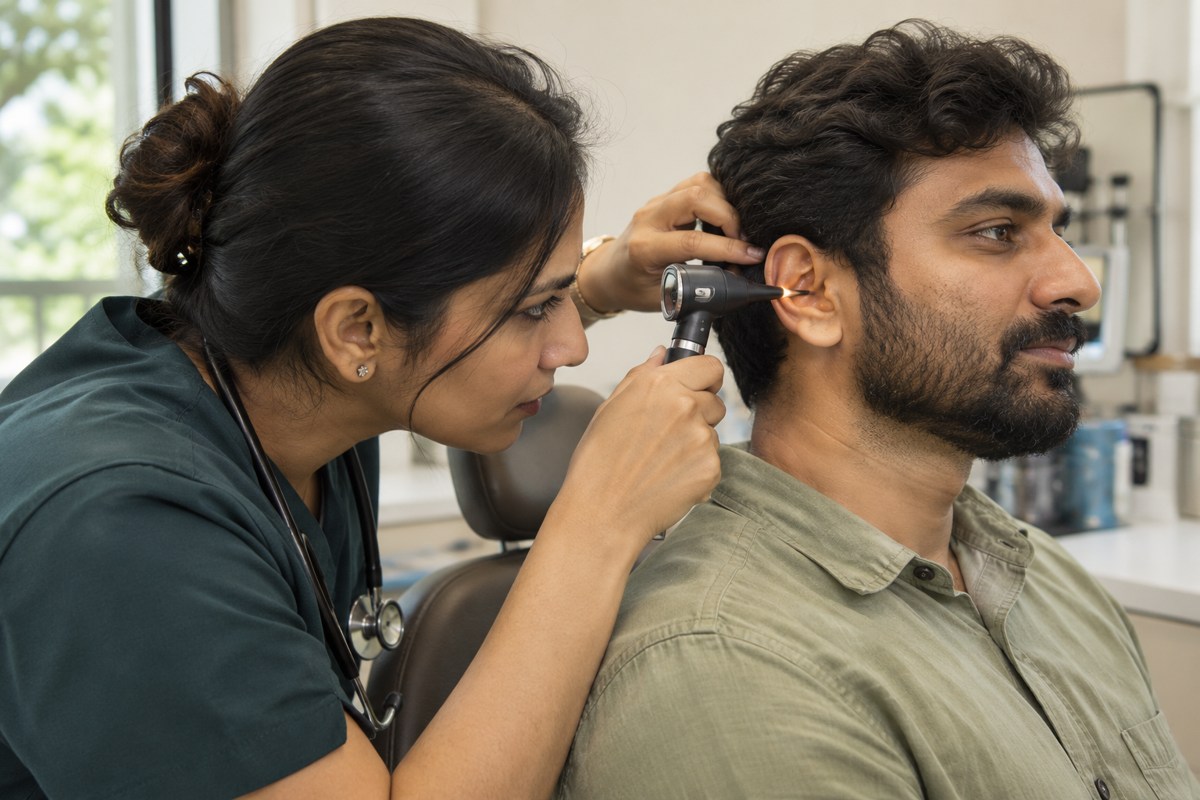
ENT – Otorhinolaryngology
Explore ear, nose and throat examination and common ENT conditions.

Family Medicine and Primary Care
Study common presentations, prevention and ongoing care in family practice.
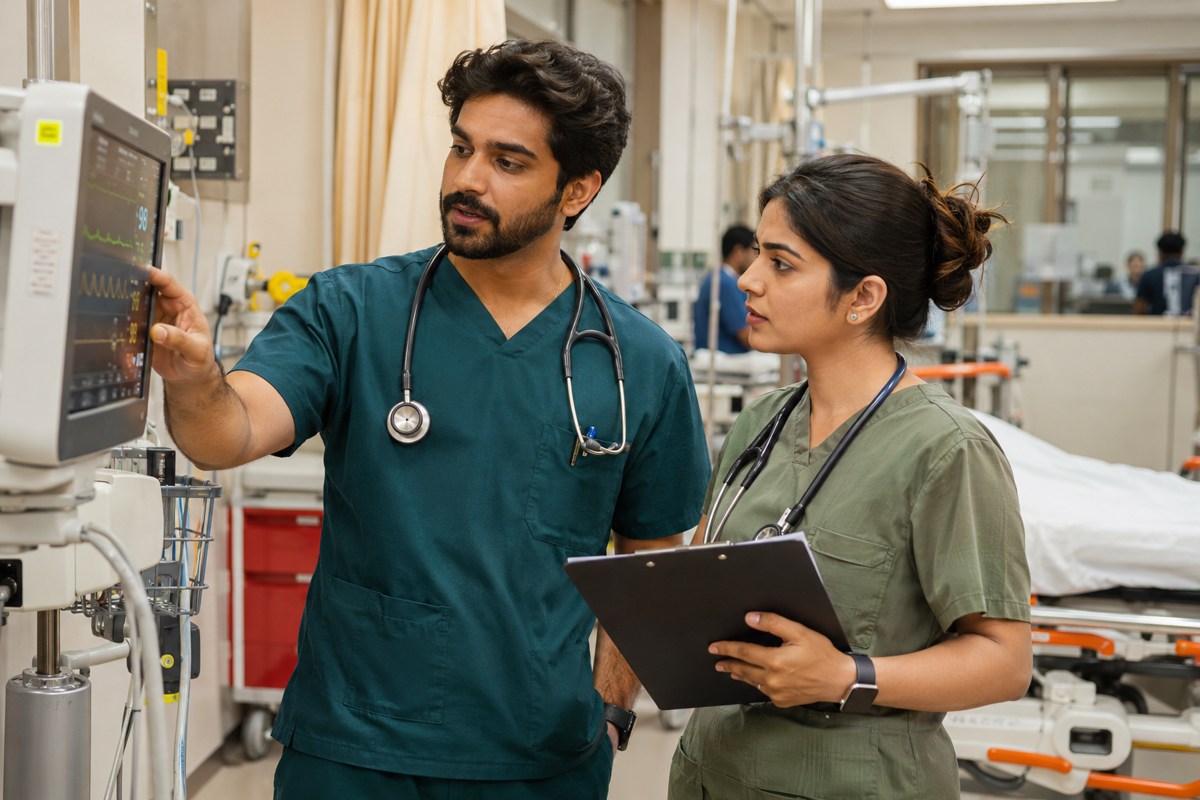
Emergency Medicine
Review triage, resuscitation and the assessment of acute illness and injury.
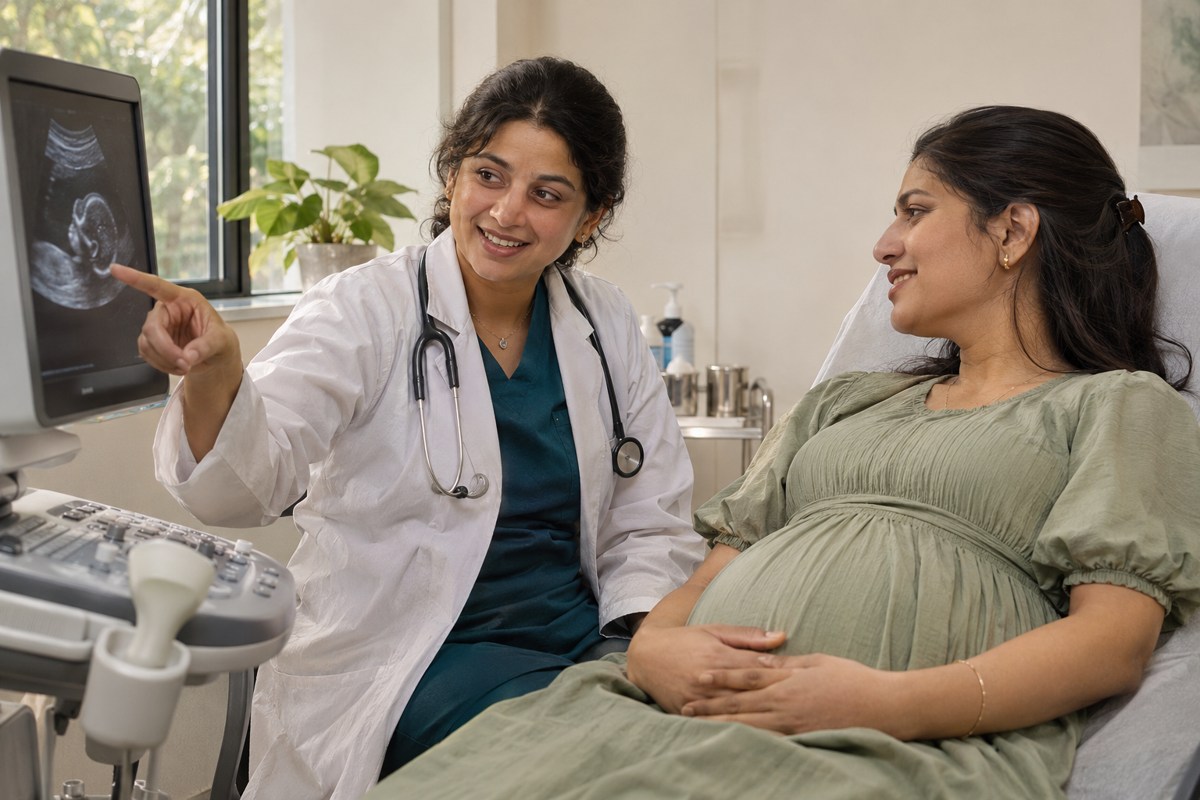
Obstetrics and Gynecology
Study pregnancy, childbirth and common gynaecological conditions.

Forensic Medicine and Toxicology
Explore medicolegal practice, injury interpretation and clinical toxicology.

Ophthalmology
Review eye examination, vision assessment and common ocular conditions.

Orthopedics
Study bone and joint disorders, fractures and musculoskeletal assessment.

Pediatrics
Explore child development, assessment and common paediatric conditions.

Preventive and Social Medicine
Study epidemiology, disease prevention and community health programmes.

Psychiatry
Review psychiatric assessment, mental health conditions and care approaches.
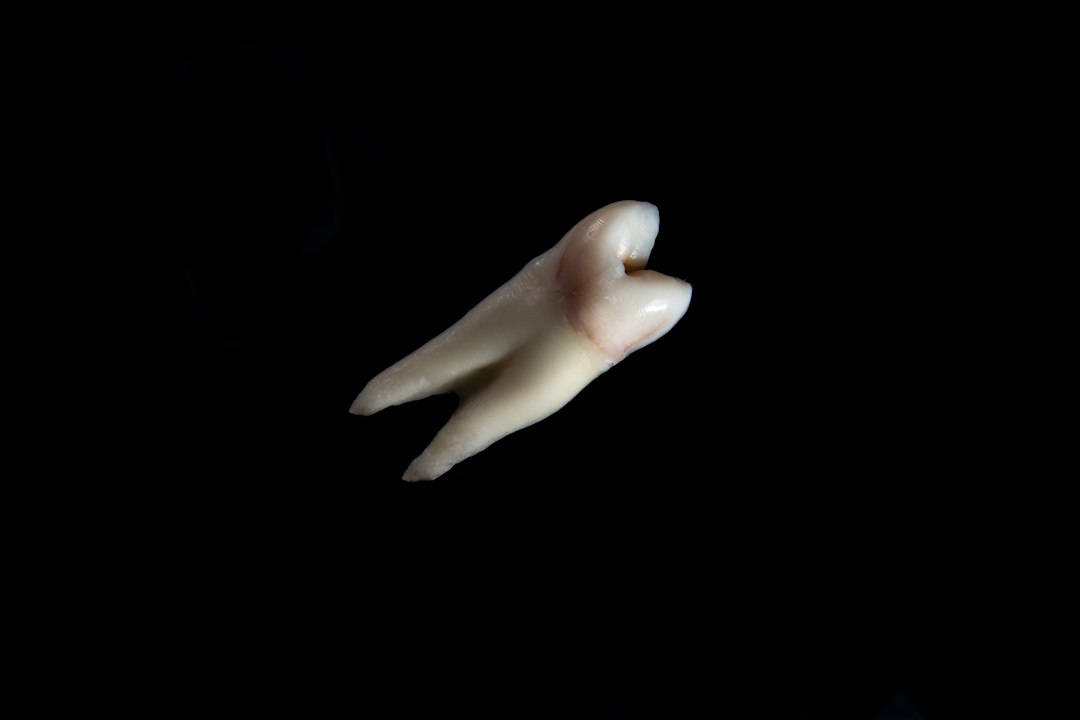
Dental Anatomy and Tooth Morphology
Identify teeth by their cusps, roots and other distinguishing features.
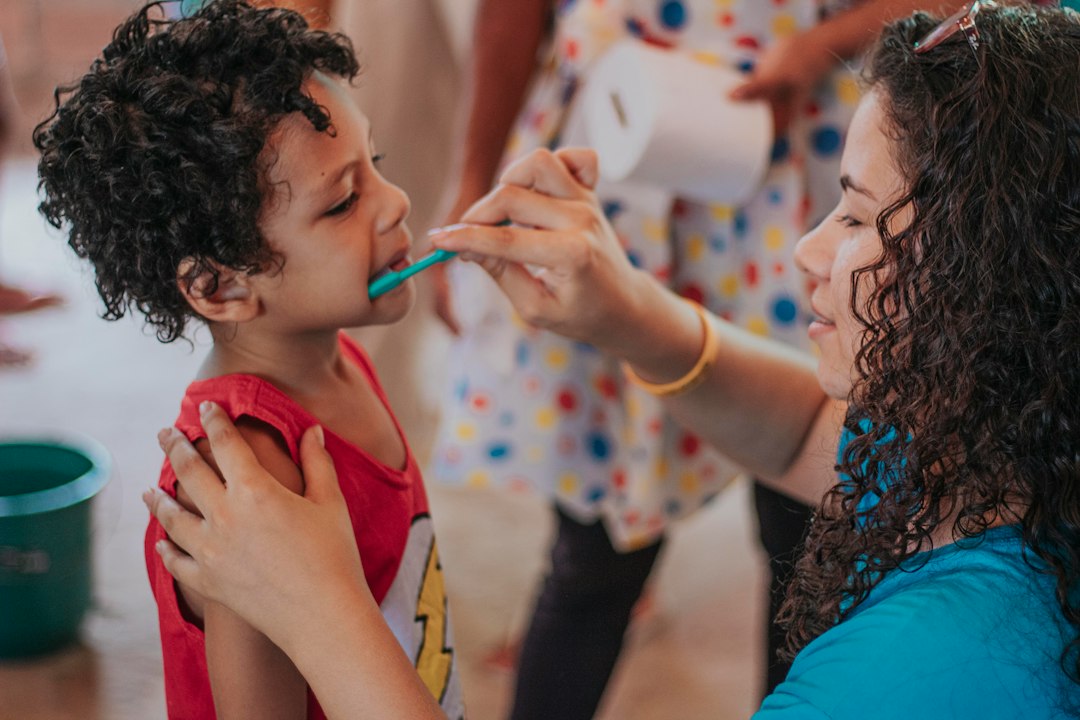
Community Dentistry
Explore oral health screening, community programmes and access to dental care.
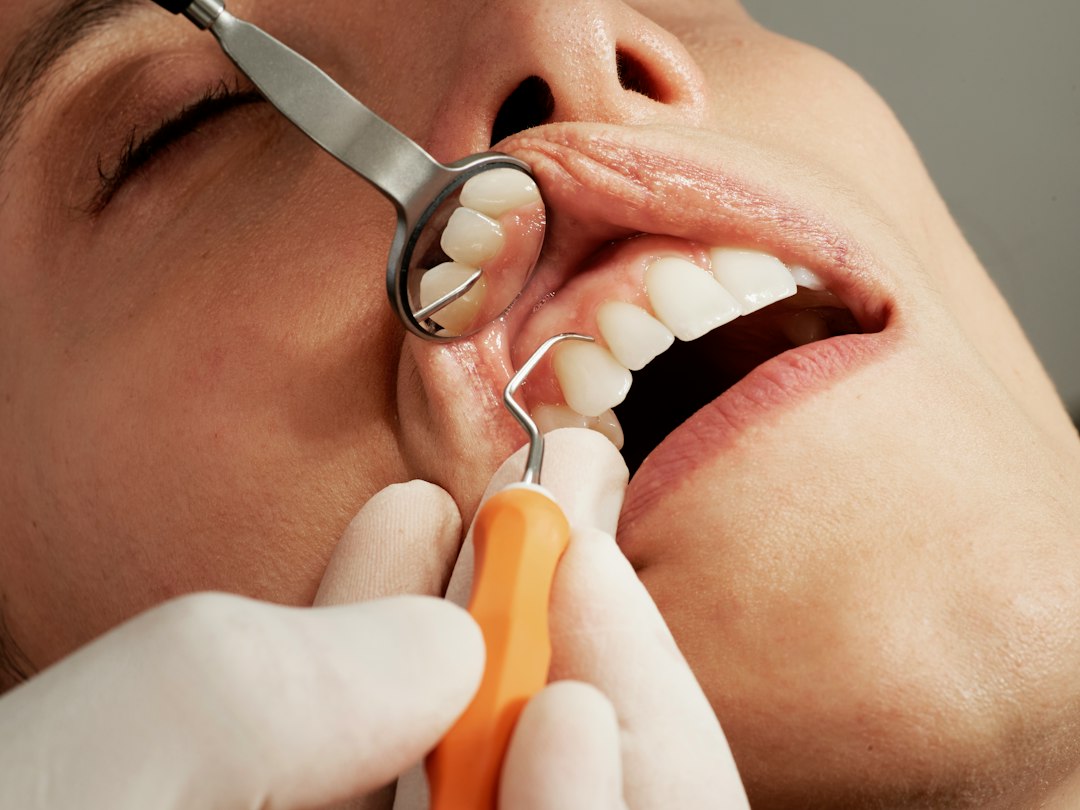
Clinical Dentistry
Work through patient assessment, dental charting and clinical decisions.
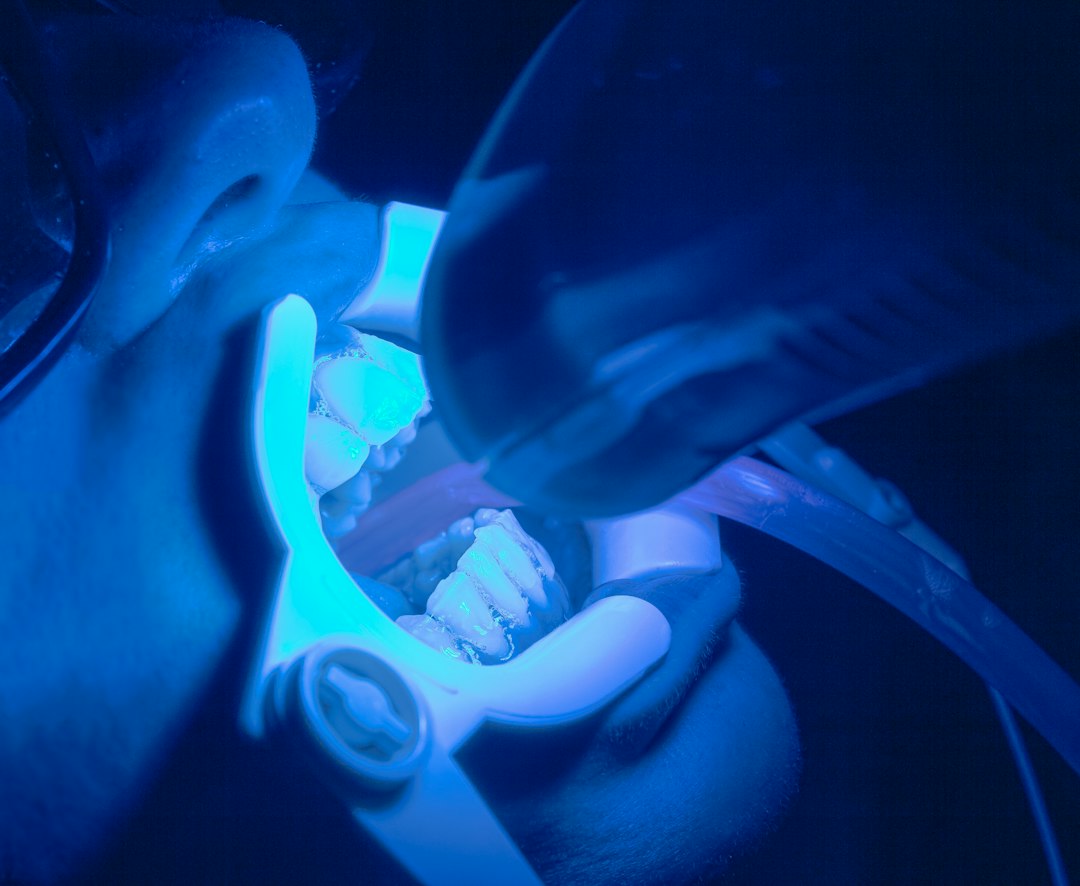
Operative and Conservative Dentistry
Study caries removal, cavity preparation and tooth-coloured restorations.
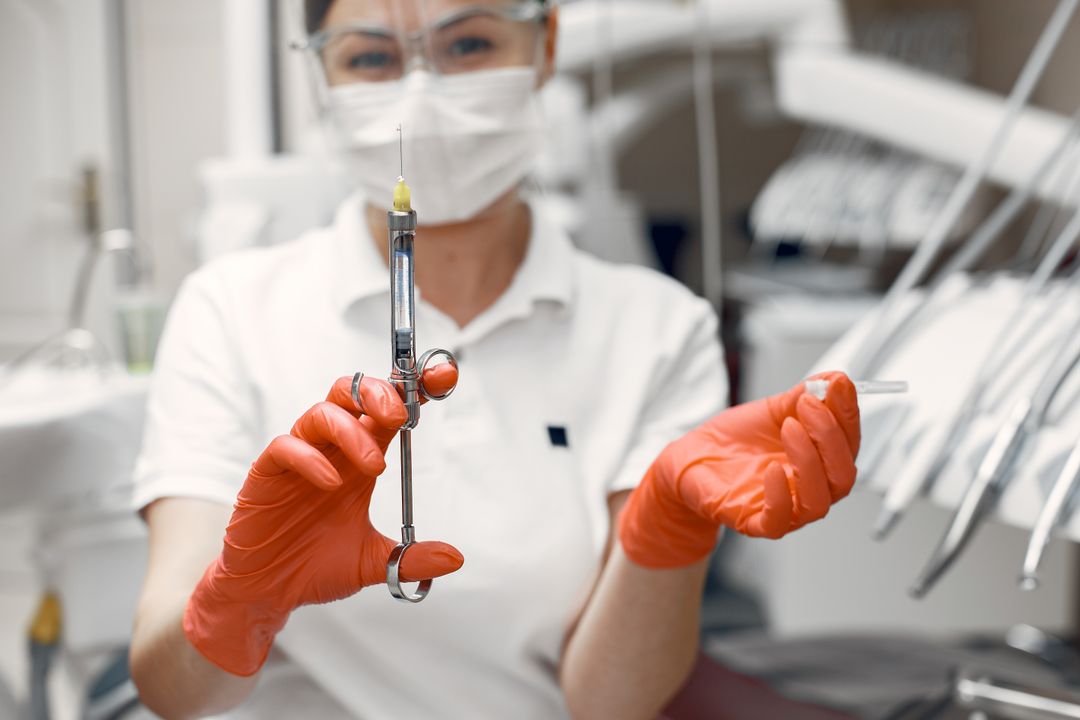
Dental Anesthesia and Pain Control
Review local anaesthesia, pain assessment and dental pain management.
Dental Pharmacology
Explore medicines used in dental care, their effects and interactions.
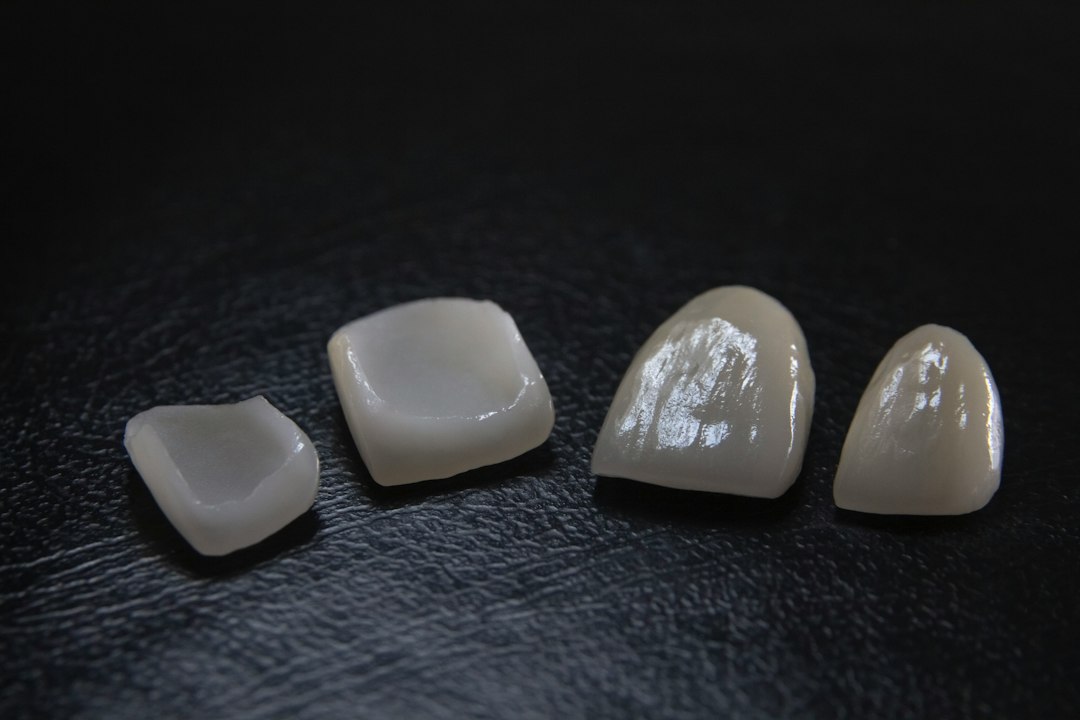
Dental Materials
Compare the properties and clinical uses of restorative and impression materials.
Preventive Dentistry
Study fluoride, fissure sealants and everyday approaches to preventing oral disease.
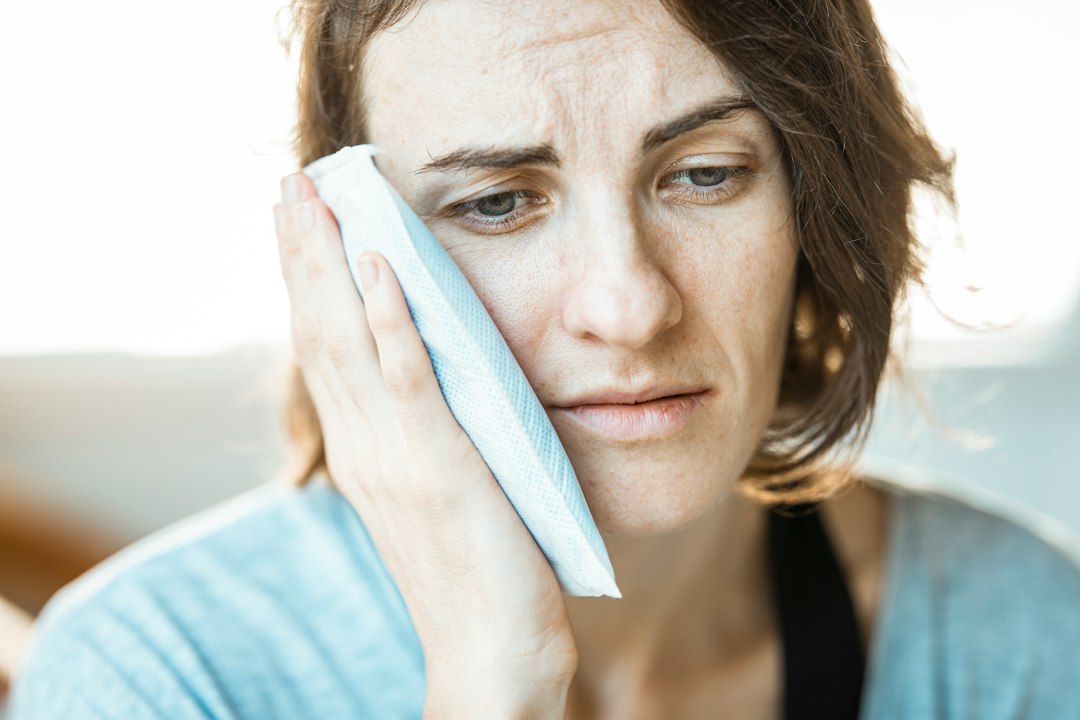
Dental Emergencies
Review the assessment of dental trauma, acute pain and urgent presentations.
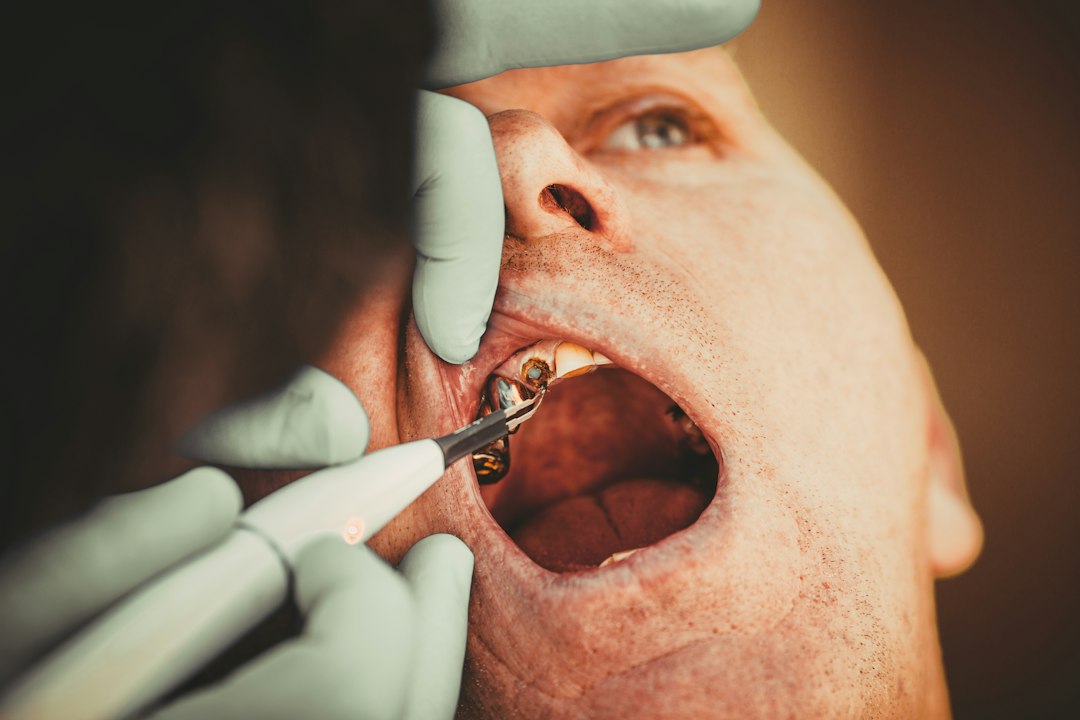
Oral & Maxillofacial Surgery
Explore the assessment and surgical management of conditions affecting the mouth and jaws.
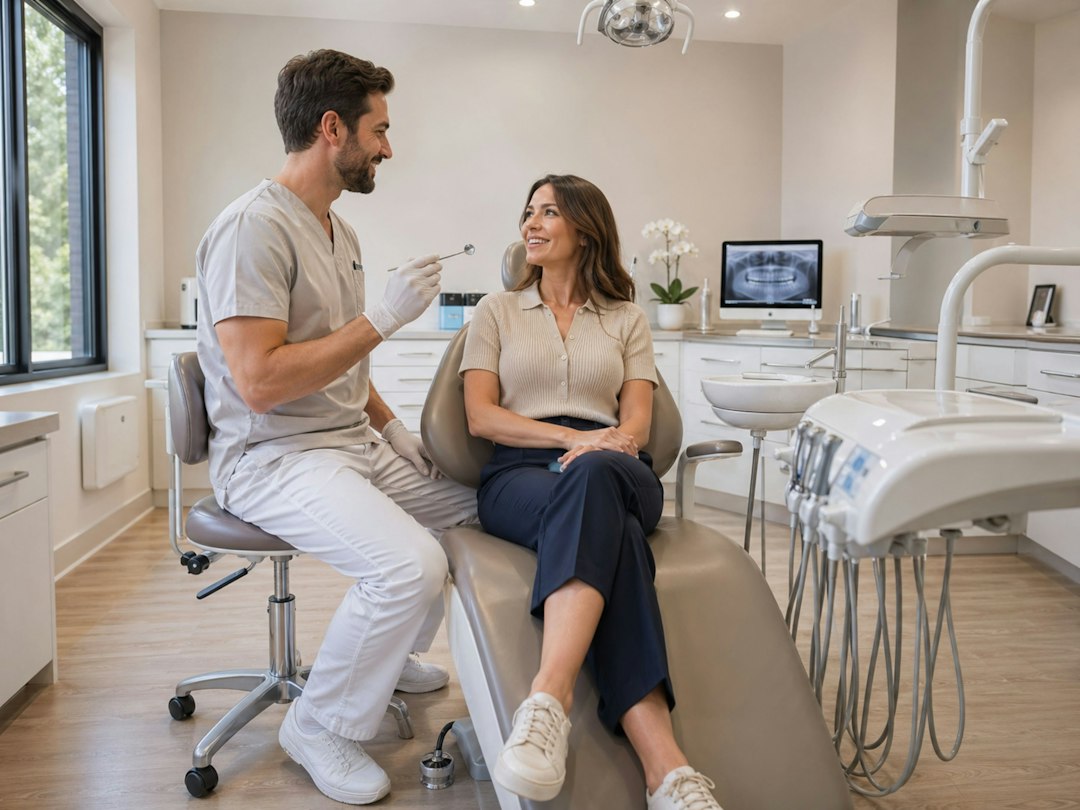
Oral Medicine
Study oral mucosal disorders and the oral signs of systemic disease.
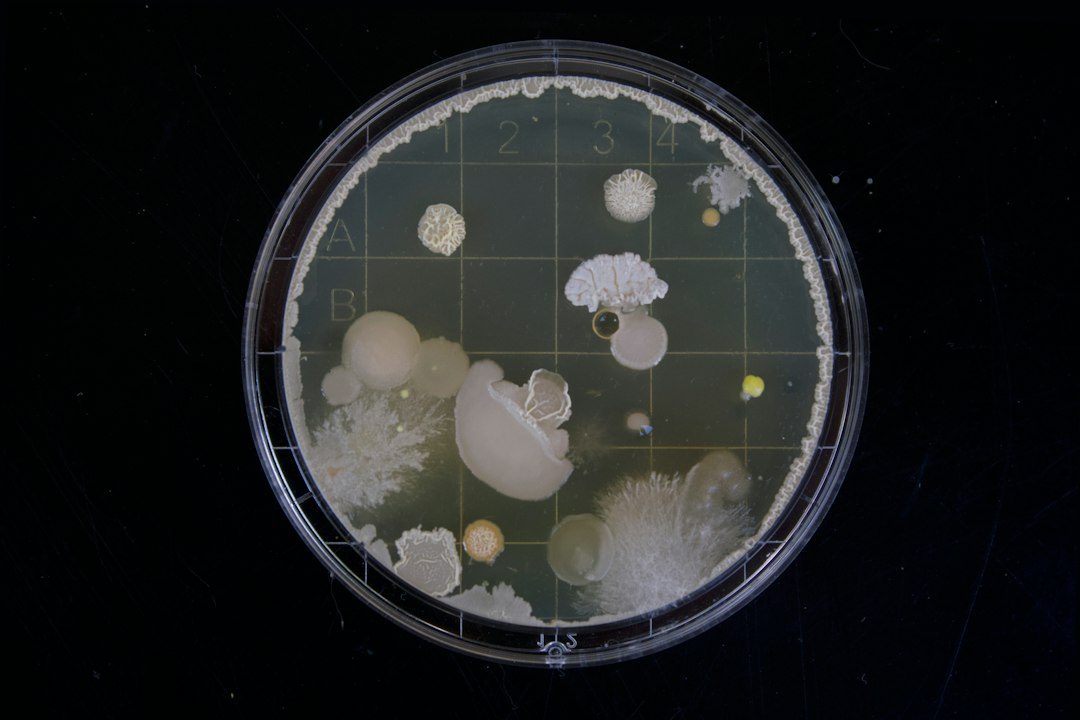
Oral Microbiology
Explore the bacteria, fungi and biofilms that shape oral health.
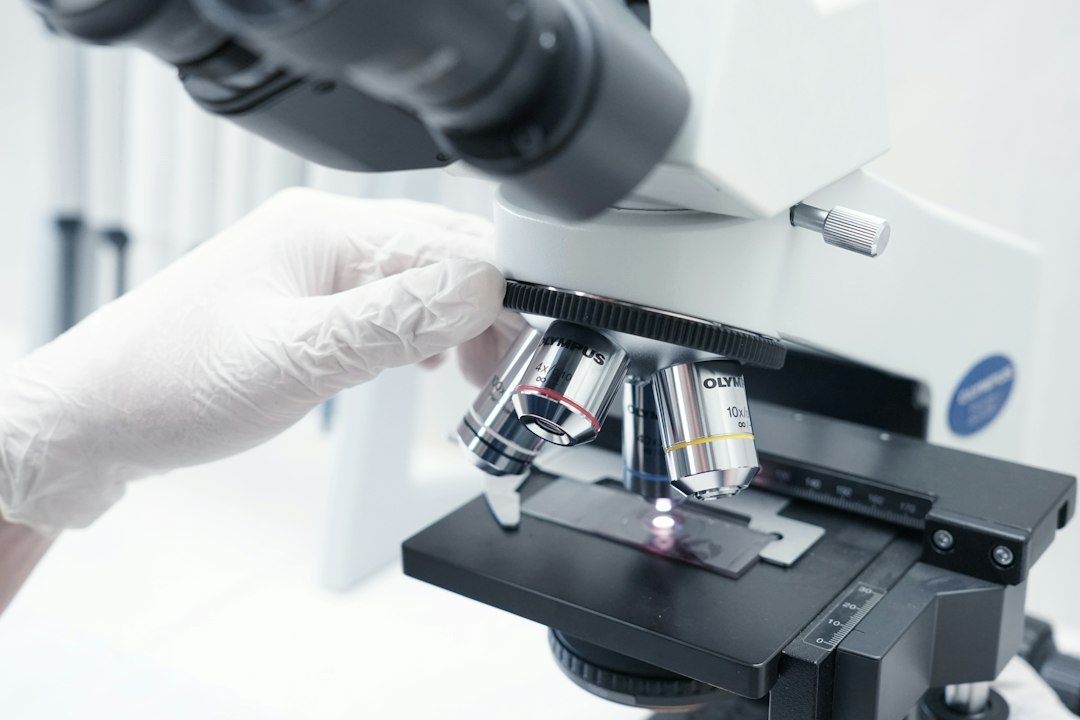
Oral Pathology
Recognise tissue changes in oral lesions and relate them to the clinical findings.
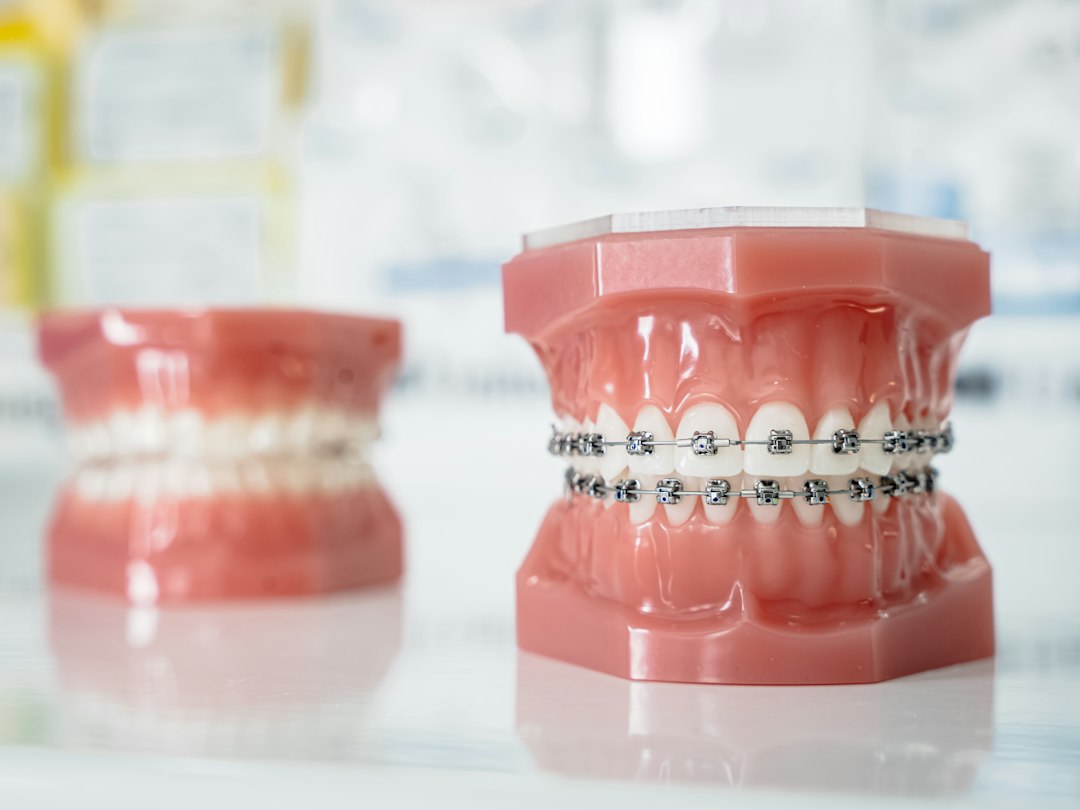
Orthodontics
Study malocclusion, tooth movement and orthodontic appliances.
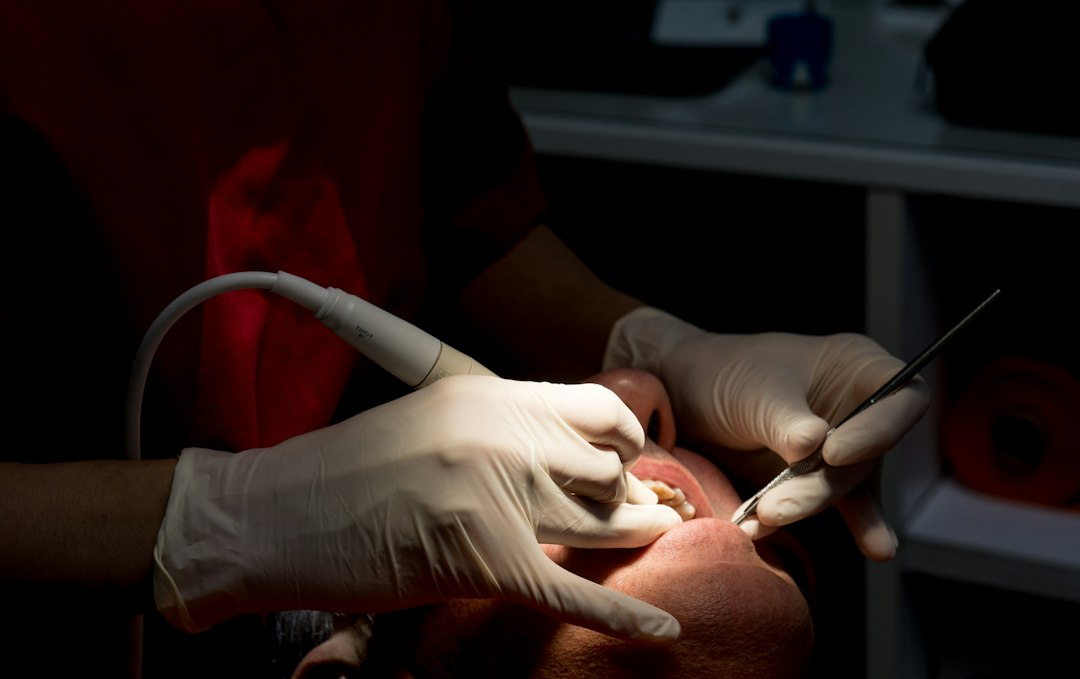
Periodontology
Explore the assessment and treatment of disorders affecting the gums and supporting tissues.
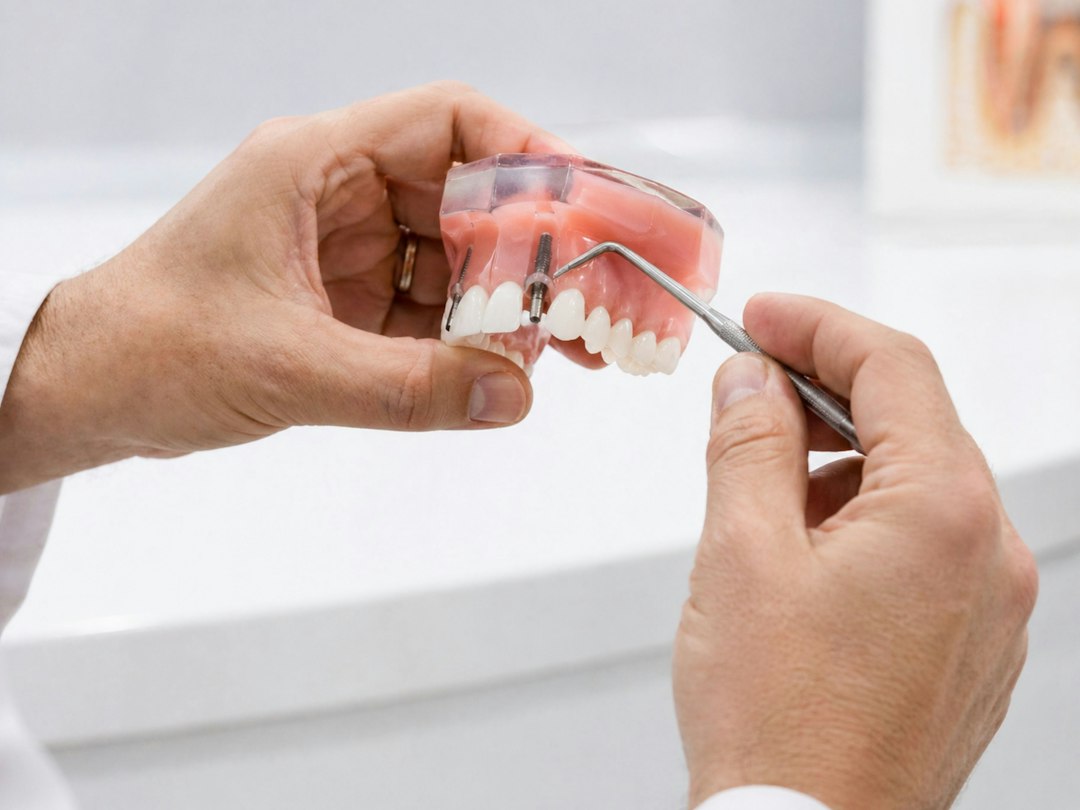
Prosthodontics
Study the planning and design of crowns, bridges, dentures and implant restorations.
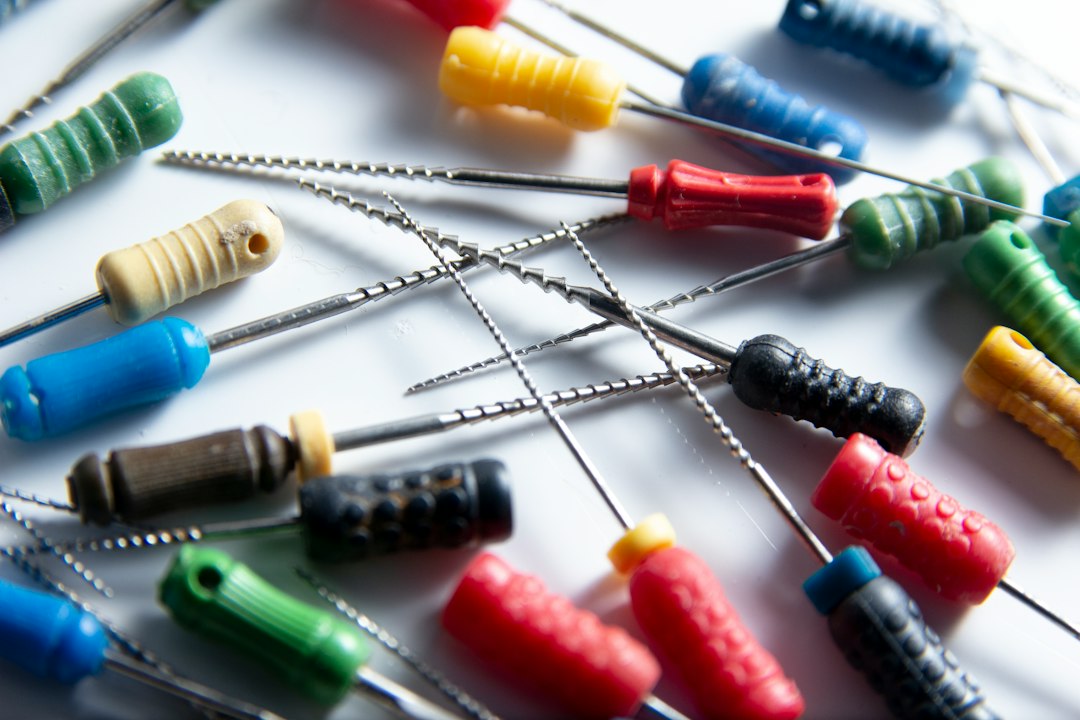
Endodontics
Review pulpal diagnosis, root canal anatomy and endodontic procedures.
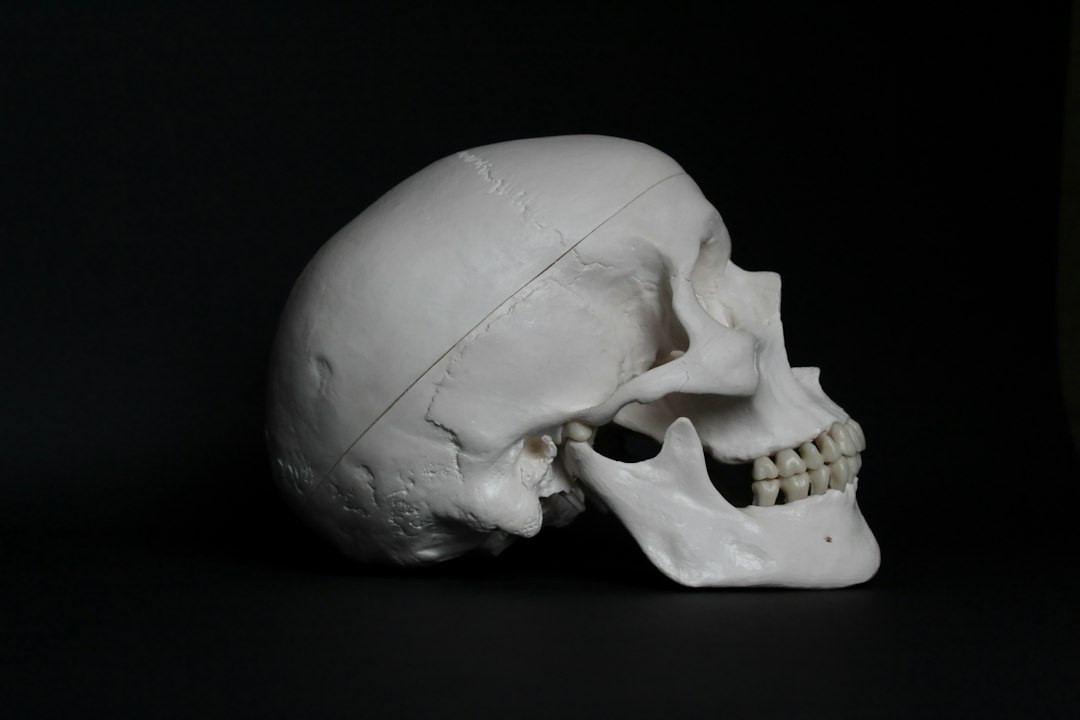
Oral Anatomy
Explore the jaws, oral cavity and surrounding muscles, nerves and vessels.
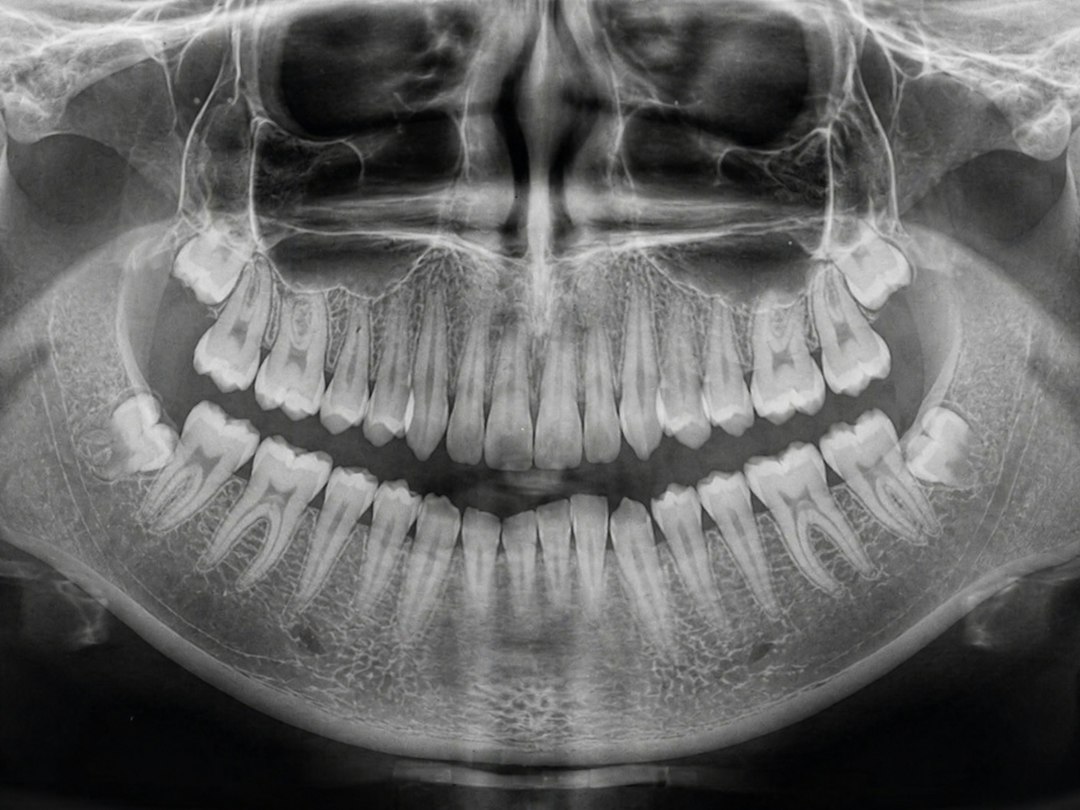
Oral and Maxillofacial Radiology
Study dental imaging techniques, normal landmarks and radiographic interpretation.
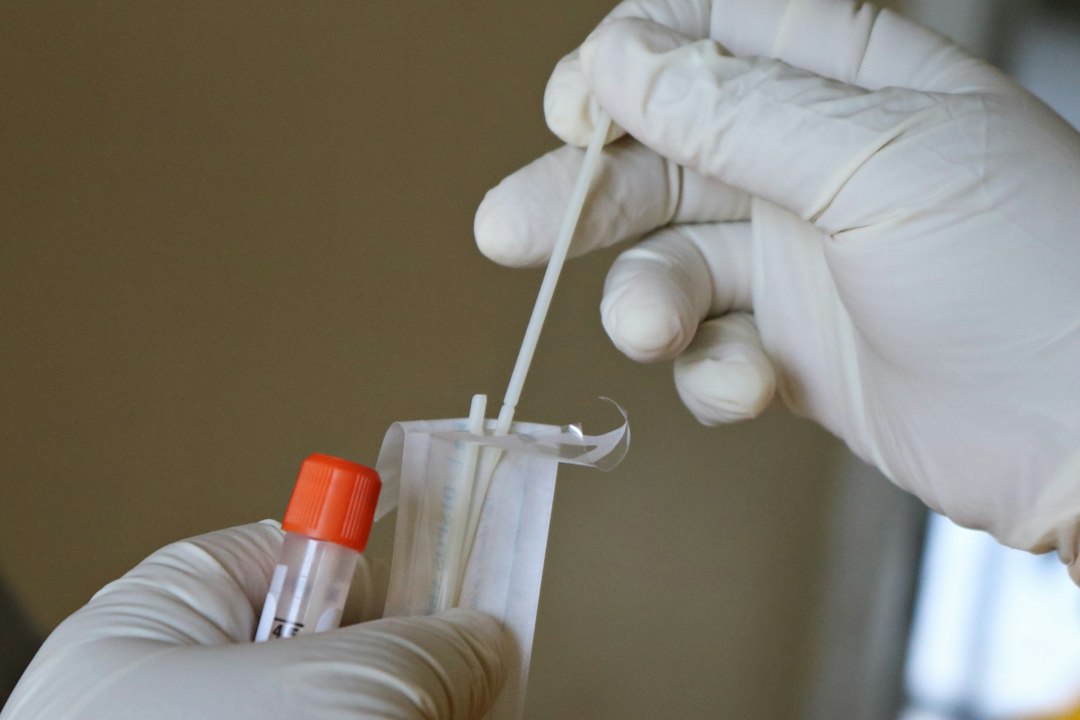
Oral Biology
Explore the roles of saliva, oral tissues and their interactions in health and disease.
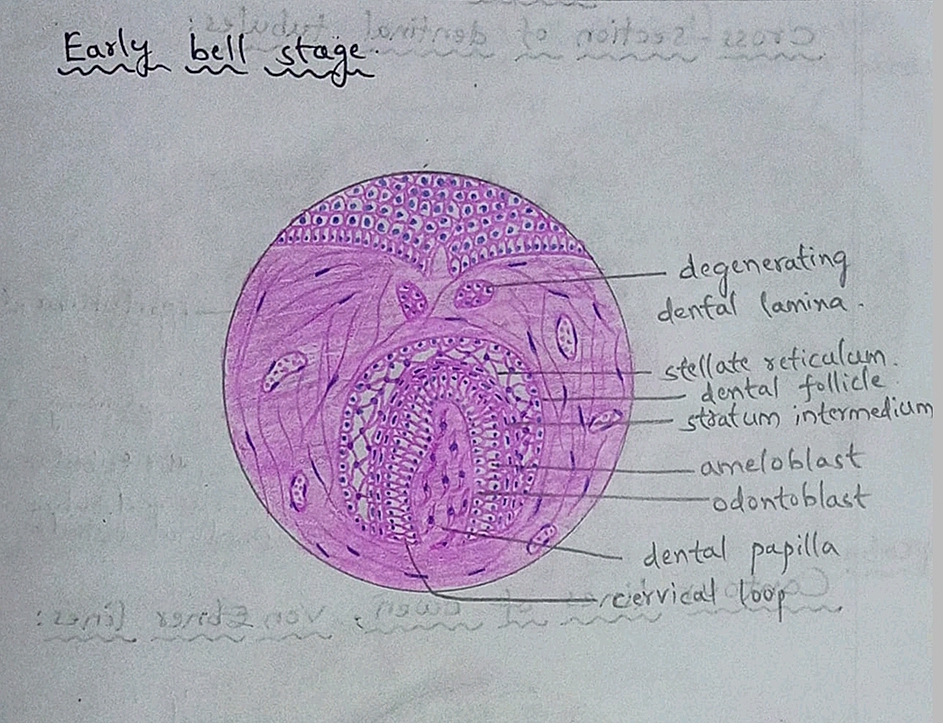
Oral Histology & Embryology
Trace tooth development and examine oral tissues at the microscopic level.