

Neuroscience and Neuroanatomy
Neuroscience and neuroanatomy examine the structure, organization and function of the nervous system from neurons and synapses to spinal cord, brainstem, cortex and complex behavior.
General subject summary is free to everyone.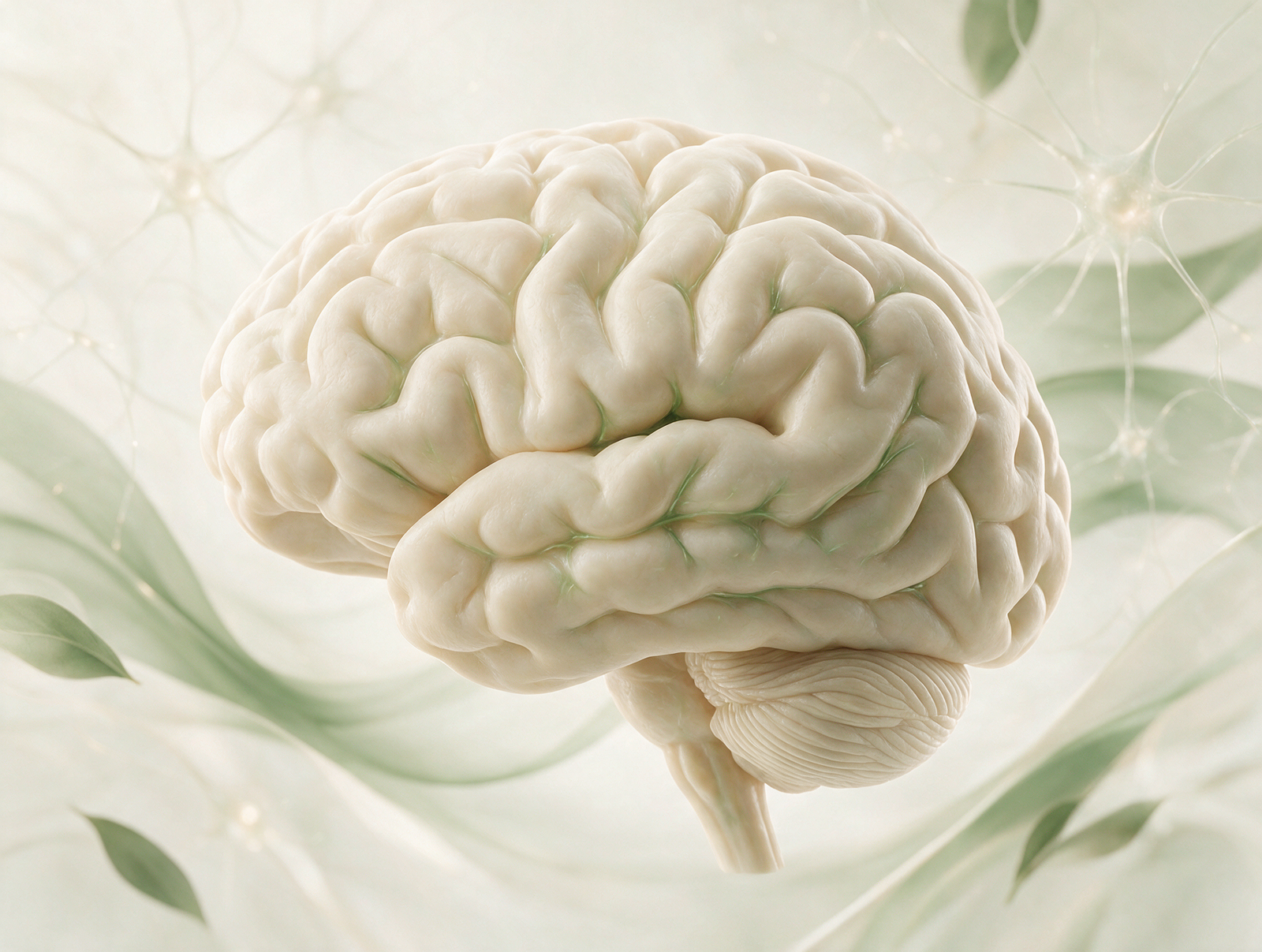
Neuroscience and Neuroanatomy
Subject Summary
The public overview below follows the supplied PhysioVeda Academics subject summary.
Neuroscience and neuroanatomy examine the structure, organization and function of the nervous system from neurons and synapses to spinal cord, brainstem, cortex and complex behavior.
A clinically useful approach links each anatomical structure to its inputs, outputs, vascular supply and expected deficit when damaged.
Sensory, motor, autonomic, visual, auditory and vestibular systems are organized into pathways that cross at predictable levels; these decussations are essential for neurological localization.
Neuroplasticity allows synapses and networks to change with learning and injury, providing a biological basis for task-specific practice and rehabilitation.
This summary follows the uploaded PhysioVeda Academics structure across 32 topics, including development, neurophysiology, CNS and PNS anatomy, sensory and motor systems, localization and neuroimaging.
Whole-subject high-yield numbers
Use these supplied values and key facts for quick whole-subject revision.
| Cranial nerves | 12 pairs |
| Spinal nerves | 31 pairs |
| Adult spinal cord lower end | Usually near L1-L2 vertebral level |
| Meninges | 3 layers: dura, arachnoid, pia |
| Adult CSF volume | About 150 mL |
| CSF production | Roughly 500 mL/day |
| Primary brain vesicles | 3 |
| Secondary brain vesicles | 5 |
| Cerebellar deep nuclei | 4 pairs |
| Corticospinal decussation | Most fibers cross in caudal medulla |
| Typical neuronal resting potential | About -70 mV |
| Deep-tendon reflex grading | 0 to 4+ commonly used clinically |
| Visual pathway crossing | Nasal retinal fibers cross at optic chiasm |
| Circle of Willis | Connects anterior and posterior cerebral circulations |
Core references
- Blumenfeld H. Neuroanatomy Through Clinical Cases. 3rd ed. Oxford University Press; 2021.
- Crossman AR, Neary D. Neuroanatomy: An Illustrated Colour Text. 6th ed. Elsevier; 2020.
- Purves D, Augustine GJ, Fitzpatrick D, et al. Neuroscience. 7th ed. Oxford University Press; 2023.
- Snell RS. Clinical Neuroanatomy. 8th ed. Wolters Kluwer; 2019.
Want to go deeper into Neuroscience and Neuroanatomy?
Continue into the complete topic and subtopic learning system with structured summaries, medical visuals, topic wise OBQ practice, timed tests, explanations and results.