

Neurology and Neurosurgery
Neurology and neurosurgery cover the examination, localization and management of disorders affecting the brain, spinal cord, peripheral nerves, neuromuscular system and related surgical structures.
General subject summary is free to everyone.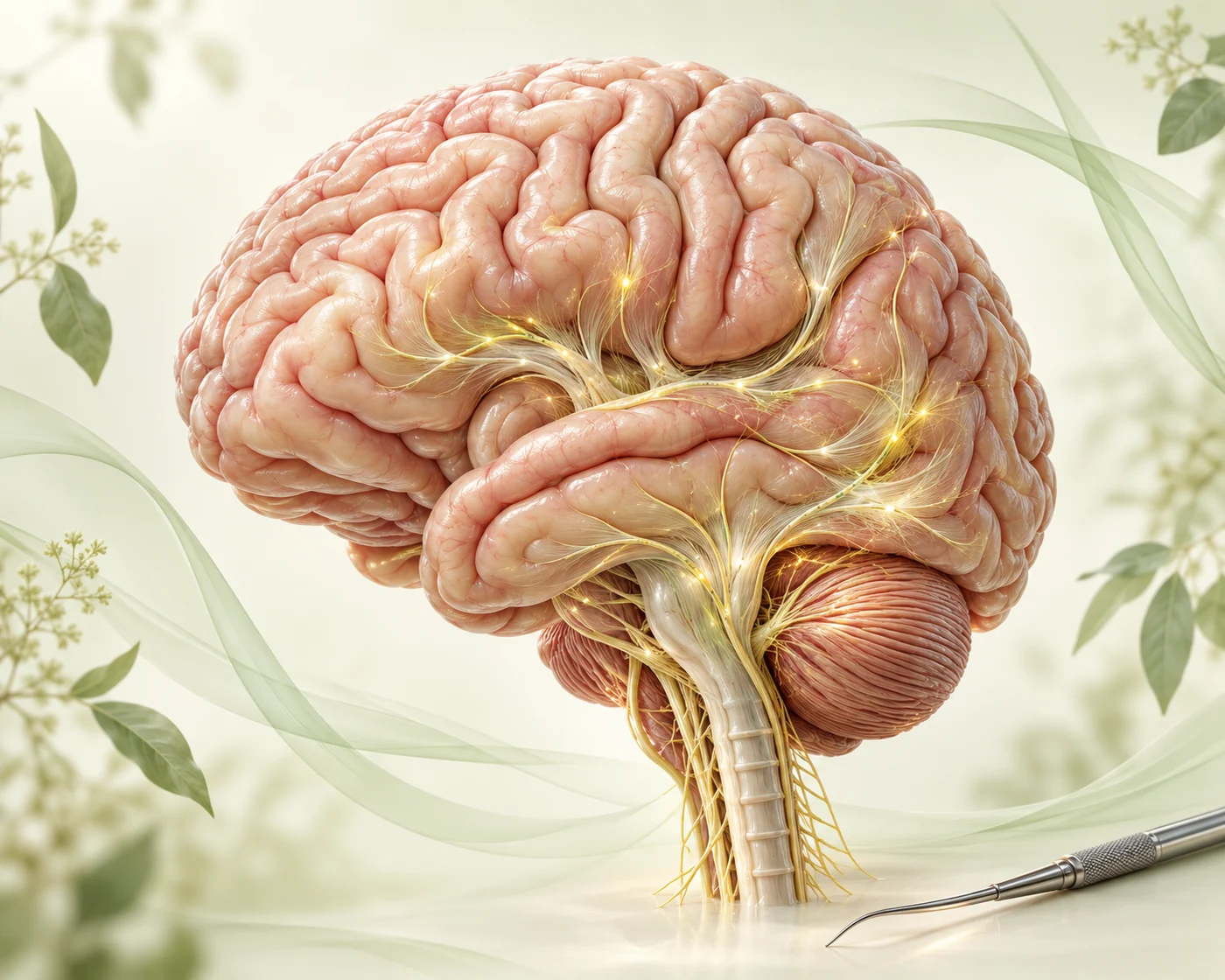
Neurology and Neurosurgery
Subject Summary
The public overview below follows the supplied PhysioVeda Academics subject summary.
Neurology and neurosurgery cover the examination, localization and management of disorders affecting the brain, spinal cord, peripheral nerves, neuromuscular system and related surgical structures.
A strong neurological approach begins with localization: decide whether the pattern is cortical, brainstem, cerebellar, spinal, peripheral nerve, neuromuscular-junction or muscle before narrowing the cause.
High-yield clinical reasoning depends on distinguishing sudden vascular events from progressive degenerative disease, central from peripheral motor signs, and focal lesions from diffuse or systemic neurological dysfunction.
The topic and subtopic structure below follows the uploaded PhysioVeda Academics outline. The explanatory text is an educational synthesis added to turn that outline into a study summary.
Whole-subject high-yield numbers
Use these supplied values and key facts for quick whole-subject revision.
| MRC muscle power | 0 = no contraction, 1 = flicker, 2 = movement with gravity eliminated, 3 = against gravity, 4 = against resistance, 5 = normal |
| Glasgow Coma Scale | 3-15: eye + verbal + motor responses |
| NIH Stroke Scale | 0-42; higher scores indicate greater measured neurological deficit |
| Deep tendon reflexes | Common scale: 0 absent, 1+ reduced, 2+ average, 3+ brisk, 4+ clonus |
| Upper motor neuron signs | Weakness + spasticity/increased tone + hyperreflexia + pathologic plantar response |
| Lower motor neuron signs | Weakness + reduced tone/reflexes + atrophy +/- fasciculations |
| Cerebellar localization | Limb signs are typically ipsilateral to the affected cerebellar hemisphere |
| Peripheral localization | Named-nerve motor and sensory patterns help separate peripheral nerve lesions from roots or plexus disease |
Core references
- Ropper AH, Samuels MA, Klein JP, Prasad S. Adams and Victor's Principles of Neurology. McGraw Hill.
- Jankovic J, Mazziotta JC, Pomeroy SL, Newman NJ. Bradley and Daroff's Neurology in Clinical Practice. Elsevier.
- Greenberg MS. Handbook of Neurosurgery. Thieme.
- Blumenfeld H. Neuroanatomy Through Clinical Cases. Sinauer/Oxford University Press.
Want to go deeper into Neurology and Neurosurgery?
Continue into the complete topic and subtopic learning system with structured summaries, medical visuals, topic wise OBQ practice, timed tests, explanations and results.