

Pathophysiology
Pathophysiology explains how normal physiological processes are altered by disease, linking causes and mechanisms to clinical signs, symptoms, laboratory abnormalities and functional consequences.
General subject summary is free to everyone.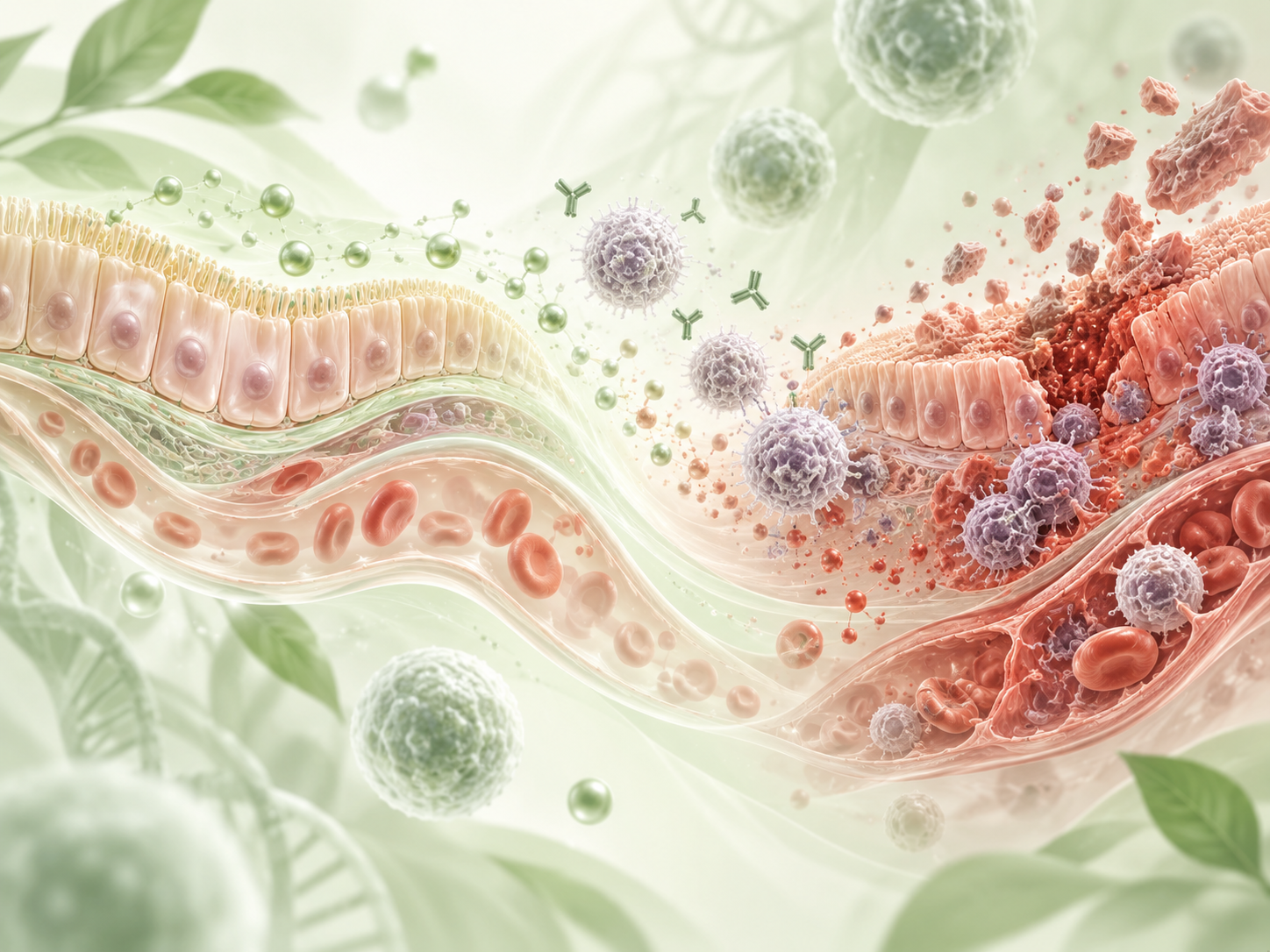
Pathophysiology
Subject Summary
The public overview below follows the supplied PhysioVeda Academics subject summary.
Pathophysiology explains how normal physiological processes are altered by disease, linking causes and mechanisms to clinical signs, symptoms, laboratory abnormalities and functional consequences.
A useful approach is to move from etiology and risk factors to pathogenesis, cellular and tissue responses, organ dysfunction, compensatory mechanisms and eventual decompensation.
Core mechanisms recur across organ systems: cell injury, inflammation, immune dysfunction, fluid and electrolyte imbalance, altered perfusion, hypoxia, abnormal repair, neoplasia and genetic susceptibility.
For physiotherapy and rehabilitation, pathophysiology helps explain exercise intolerance, weakness, edema, pain, dyspnea, neurological deficits, impaired healing and the precautions required during acute and chronic disease.
This summary follows the uploaded PhysioVeda Academics outline across 31 topics, from foundational mechanisms to system-based disorders, aging and integration with clinical findings.
Whole-subject high-yield numbers
Use these supplied values and key facts for quick whole-subject revision.
| Body water in healthy adults | Roughly 50-60% of body weight; varies with age, sex and body composition |
| Intracellular fluid | About two thirds of total body water |
| Extracellular fluid | About one third of total body water |
| Serum sodium | Approximately 135-145 mmol/L |
| Serum potassium | Approximately 3.5-5.0 mmol/L |
| Serum calcium | Total calcium often about 8.5-10.5 mg/dL; laboratory dependent |
| Arterial pH | 7.35-7.45 |
| PaCO2 | About 35-45 mmHg |
| Bicarbonate | About 22-26 mmol/L |
| Anemia concept | Reduced hemoglobin/oxygen-carrying capacity; thresholds vary by age/sex/pregnancy |
| Shock principle | Inadequate tissue perfusion and cellular oxygen delivery |
| Sepsis | Life-threatening organ dysfunction caused by a dysregulated host response to infection |
| Cancer spread | Local invasion + lymphatic, hematogenous or transcoelomic metastasis |
| Pain | Nociceptive, inflammatory and neuropathic mechanisms may overlap |
Core references
- McCance KL, Huether SE. Pathophysiology: The Biologic Basis for Disease in Adults and Children. Elsevier.
- Norris TL. Porth's Essentials of Pathophysiology: Concepts of Altered Health States. Wolters Kluwer.
- Kumar V, Abbas AK, Aster JC. Robbins, Cotran & Kumar Pathologic Basis of Disease. Elsevier.
- Kumar P, Clark M. Kumar & Clark's Clinical Medicine. Elsevier.
Want to go deeper into Pathophysiology?
Continue into the complete topic and subtopic learning system with structured summaries, medical visuals, topic wise OBQ practice, timed tests, explanations and results.